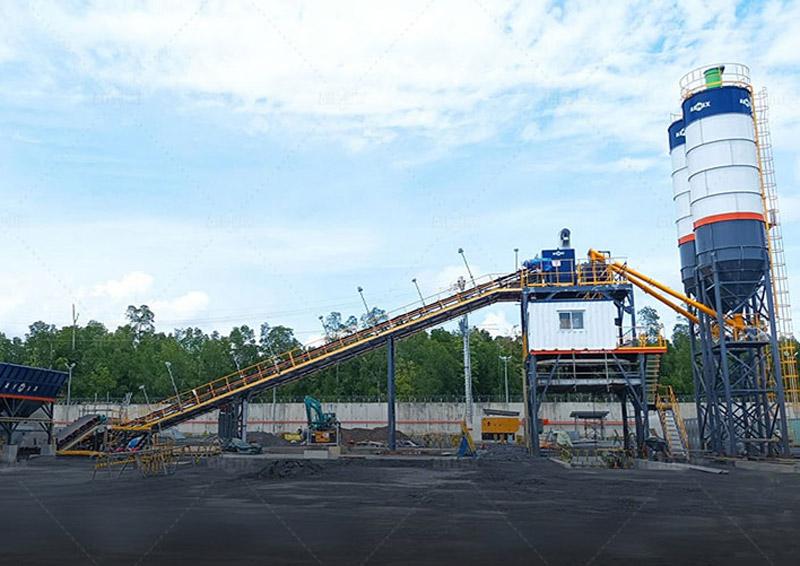
Achieving Uniformity and Capacity: The Role of Mixer Types in Stationary Batching Plants
The output of a stationary batching plant is often simplistically measured in cubic meters per hour, a metric that dangerously overlooks the most critical variable: the intrinsic quality of the concrete itself. This myopic focus on volume belies a fundamental truth—without absolute mix uniformity, high output is not just meaningless, it is a liability. The mixer is the very heart of the stationary batching plant, the crucible where raw materials are transmuted into a homogeneous, engineered material. The selection of mixer type is therefore not a mere technical specification; it is the paramount decision that dictates the plant's capability to produce concrete that meets rigorous design specifications, batch after consistent batch. To treat this choice lightly is to jeopardize the entire enterprise.
The Foundational Imperative of Mix Homogeneity
Uniformity is non-negotiable. A heterogeneous mix, with uneven distribution of cement paste, aggregates, and admixtures, creates weak points and stress concentrators within a structure. This inconsistency is the silent assassin of projected service life and compressive strength. The mixer's sole purpose is to eradicate this heterogeneity through a meticulously engineered blending process. It must achieve a state of perfect coalescence, ensuring every particle of aggregate is uniformly coated and every fraction of water and cement is optimally utilized. The mixer is not a mere combiner of ingredients; it is the guarantor of the material's promised performance, making its selection the most consequential factor in the entire batching operation.
A Critical Examination of Mixer Architectures
The industry is not served by a one-size-fits-all solution, and each mixer type presents a distinct philosophy of agitation. The twin-shaft mixer on the concrete batch plant for sale operates on the principle of intense, forced shear. Counter-rotating shafts with precisely angled blades create a violent, turbulent cross-current that forcibly intermingles constituents. This mechanism delivers unparalleled mixing intensity and speed, achieving homogeneity in mere seconds, and is unequivocally superior for stiff mixes and high-volume production where time is the ultimate constraint. Conversely, the tilting drum mixer relies on gravitational tumbling. While adequate for simpler, more fluid mixes, its gentle action is often incapable of breaking down agglomerations in stiffer or more complex formulations, leading to potential quality variances that are simply unacceptable in critical applications.
Matching Mixer Type to Output Ambition
Capacity is a two-faced metric. Nominal output is useless if the mixer cannot achieve discharge consistency within the allocated cycle time. A twin-shaft mixer's rapid cycle time—often under 60 seconds—translates into a genuine high-volume output without quality degradation. Selecting a slower tilting drum mixer for a high-output plant creates a catastrophic bottleneck, forcing operators to shorten mix cycles and inevitably discharge sub-standard concrete. This is a fatal flaw in planning. Conversely, specifying an oversized high-intensity mixer for a small readymix operation is an exercise in fiscal imprudence, incurring excessive capital and energy costs for capacity that will never be utilized. The mixer must be matched to the true operational tempo of the ready mix plant for sale.
The Economic Calculus of Mixer Selection
The initial purchase price is a superficial metric for cost. The true calculus must account for the total cost of ownership, which is overwhelmingly dominated by operational efficiency and maintenance. A robust twin-shaft mixer, though a higher initial investment, typically offers superior wear protection, longer service intervals, and minimal downtime. Its ability to produce consistent quality at high speed maximizes revenue potential and minimizes the existential risk of rejected loads and contractual penalties. Choosing a cheaper, less capable mixer is a false economy. The savings are instantly obliterated by the hidden costs of quality failures, production delays, and frequent component replacement. The mixer is the engine of profit; investing in the right one is the only rational choice.
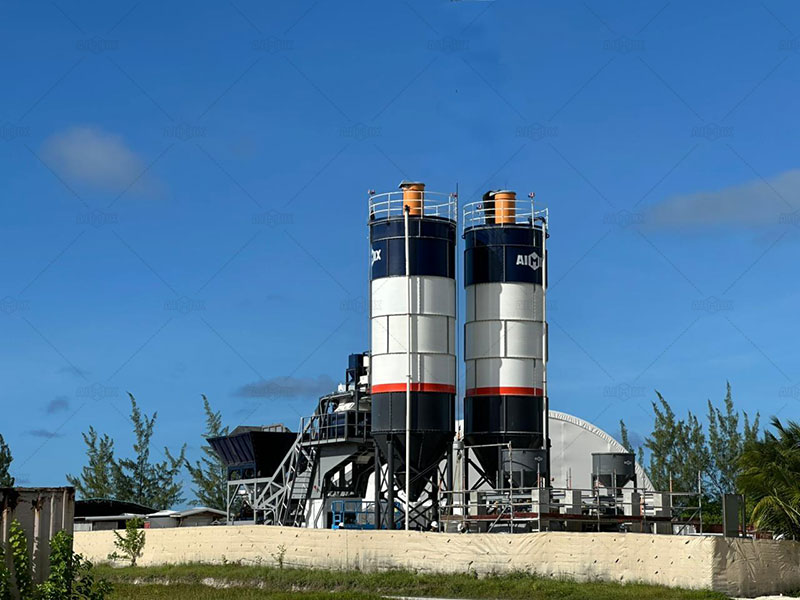
Remote Project Ready: What Mobile Concrete Batching Plant Capacity Should You Choose?
Selecting the appropriate mobile concrete batching plant capacity for remote projects requires careful consideration of multiple factors beyond simple output numbers. These self-contained production units must balance production capabilities with logistical constraints, environmental challenges, and the practical realities of operating far from established infrastructure. The ideal capacity choice becomes a strategic decision that impacts not just concrete production but overall project viability, cost management, and timeline adherence.
Remote construction sites present unique challenges that significantly influence equipment selection. Limited access to resources, unpredictable weather conditions, and transportation difficulties all dictate that capacity decisions must incorporate substantial safety margins while maintaining operational flexibility. Understanding how to match mobile concrete batching plant capabilities to specific project requirements while accounting for these constraints separates successful remote operations from those plagued by delays and cost overruns.
Assessing Project Requirements and Production Demands
Accurate capacity planning begins with thoroughly analyzing the project's concrete consumption patterns. Calculate both peak daily requirements and average weekly demand, recognizing that remote projects often experience uneven consumption curves due to weather delays and logistical challenges. Consider not just the volume needed for major pours but also smaller requirements for secondary applications that collectively impact total production needs.
The project timeline significantly influences capacity decisions. Longer projects might justify higher capacity plants that operate at reduced intensity, while short-duration projects may require maximum output capabilities. Phasing considerations are equally important—projects with distinct construction phases might benefit from slightly oversized capacity during initial phases to create stockpiles that buffer against later production interruptions. Always incorporate realistic efficiency factors of 75-85% for remote operations rather than theoretical maximum outputs.
Mobility and Setup Considerations for Remote Locations
Transportation logistics often dictate feasible plant sizes more than production requirements alone. Remote locations with limited road access or weight restrictions may preclude larger capacity plants regardless of output needs. Evaluate the number of transport vehicles required for plant relocation and whether local infrastructure can support heavy haulage. Modular designs that split into smaller components offer advantages in inaccessible areas despite potentially requiring slightly longer setup times.
Site preparation limitations common to remote locations further influence capacity decisions. Larger ready mix plant require more substantial ground leveling and foundation preparation, which may be challenging in areas with limited equipment availability. Self-erecting designs and plants with integrated stability systems provide significant advantages in areas where traditional site preparation isn't feasible. The ability to quickly relocate the plant within the project site as work progresses also impacts operational efficiency and should factor into capacity considerations.
Balancing Capacity with Operational Efficiency
Fuel consumption and power supply limitations frequently determine practical capacity limits in remote operations. Higher capacity plants consume substantially more power, which may strain generator capabilities or require additional fuel transportation logistics. Evaluate whether the selected capacity can operate efficiently on available power sources, considering that fuel delivery delays are common in isolated areas. Plants with energy-efficient drives and smart power management systems often justify their slightly higher initial cost through reduced operational constraints.
Maintenance accessibility profoundly impacts capacity decisions in remote settings. Larger, more complex plants may require specialist technicians and complicated spare parts logistics that prove impractical in isolated locations. Simpler, robust designs with redundant systems often provide more reliable operation than theoretically higher-capacity but more complex alternatives. The availability of local operators to manage the equipment also influences appropriate complexity levels—overly sophisticated systems may operate below capacity if local personnel cannot optimize their performance.
Choosing the right mobile batching plant capacity for remote projects ultimately involves balancing theoretical production capabilities with practical operational realities. The most successful selections prioritize reliability and flexibility over maximum output, recognizing that consistent production at slightly lower volumes typically proves more valuable than intermittent operation at higher capacities. By carefully matching concrete batching plant capabilities to specific project requirements while honestly assessing logistical constraints, remote projects can maintain concrete supply without becoming constrained by their production equipment.
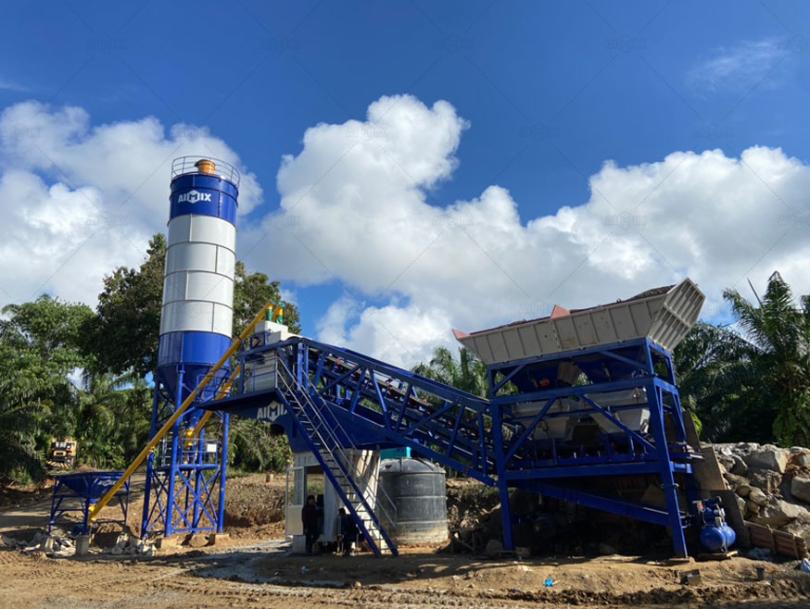
Transforming Small Projects: The Benefits of Mobile Concrete Batching Plant in Nigeria
In Nigeria's rapidly evolving construction landscape, efficiency and adaptability have become paramount for successful project execution. Small to medium-scale projects often face unique challenges - from limited site space to unpredictable power supply and budget constraints. Mobile concrete batching plants are emerging as game-changers in this environment, offering solutions that traditional stationary plants simply cannot match. These compact, versatile units bring the concrete production facility directly to the job site, eliminating logistical headaches while maintaining exceptional quality standards. For contractors working on residential developments, road repairs, or rural infrastructure projects, this technology represents a significant leap forward in operational capability.
Unmatched Flexibility for Diverse Project Requirements
Adaptability to Challenging Site Conditions
Nigeria's varied terrain and infrastructure limitations demand equipment that can perform under less-than-ideal conditions. Mobile batching plants thrive where fixed installations would be impractical, requiring minimal space and no permanent foundations. Their compact footprint allows setup in urban areas where space is at a premium, while their rugged design handles the dust and heat common across Nigerian job sites.
Rapid Deployment and Relocation
Unlike stationary plants that may take weeks to commission, mobile units can be operational within hours of arrival. This swift deployment is particularly valuable for projects with tight timelines or those spread across multiple locations. When work completes at one site, the entire plant can be transported to the next project with remarkable ease, reducing downtime between contracts.
Cost-Effective Solutions for Budget-Conscious Projects
Reduced Transportation and Logistics Expenses
By producing concrete directly at the point of use, portable concrete batch plant eliminates the need for expensive transit mixer fleets. This represents substantial savings, especially for projects located far from established batching facilities. The cost of transporting ready-mix concrete over long distances in Nigeria's challenging road conditions often exceeds the material cost itself - a financial burden mobile plants effectively remove.
Lower Operational Overheads
These plants require smaller crews to operate compared to traditional setups, and their energy-efficient designs minimize power consumption. Many models can run on generator power, providing crucial independence from Nigeria's unreliable electricity grid. The combination of reduced labor, energy, and transportation costs makes mobile batching plants particularly attractive for small contractors working with limited capital.
Quality Assurance and Technological Advancements
Consistent Mix Quality Control
Modern mobile plants incorporate sophisticated computerized batching systems that ensure precise ingredient proportions every time. This level of control is vital for meeting structural specifications, especially in Nigeria where substandard materials remain a concern. Operators can store numerous mix designs and adjust formulations on-site as project requirements change.
Environmental and Safety Improvements
New generation mobile plants address two critical issues in Nigerian construction: environmental impact and worker safety. Advanced dust collection systems minimize airborne particles, while enclosed designs reduce noise pollution. Automated features decrease manual handling of materials, lowering accident risks and creating safer working conditions - a growing priority for responsible contractors.
As Nigeria's construction sector continues to grow, mobile concrete batching plants for sale in Nigeria are proving indispensable for small to medium projects. Their combination of flexibility, cost-efficiency, and quality control provides contractors with tools previously only available to large-scale operations. For developers working on Nigeria's critical infrastructure needs - from housing to local roads - this technology represents not just an equipment choice, but a strategic advantage in a competitive market.
Portable Concrete Batching Plants: 7 Key Benefits for Modern Construction
In today's fast-paced construction industry, efficiency and flexibility are paramount. While traditional stationary concrete batching plants have long been the standard, portable concrete batching plants are revolutionizing how contractors approach projects of varying scales. This comprehensive guide explores the unique advantages of portable concrete batch plants and why they're becoming essential equipment for modern construction projects.
Understanding Portable Concrete Batching Plants
A portable concrete batching plant contains all the essential components of a standard mixing plant - including automatic control systems, discharge mechanisms, mixing units, transportation systems, aggregate storage, and precise weighing systems - but with one crucial difference: mobility. Unlike their stationary counterparts, these mobile units can be easily transported between job sites without requiring permanent foundations or extensive setup time.
Key Differentiator: The most significant advantage of portable batching plants is their ability to be towed to different locations using standard trucks, eliminating the need for time-consuming installation and dismantling processes associated with stationary plants.
7 Compelling Advantages of Mobile Concrete Batching Plants
1. Unmatched Mobility and Flexibility
Portable concrete plants are designed specifically for easy transportation between job sites. With most components mounted on a single chassis or trailer, these units can be quickly moved without disassembly. This feature is particularly valuable for contractors working on multiple projects simultaneously or for projects that span large areas like highways or pipelines.
2. Rapid Deployment and Setup
Traditional batching plants may require weeks for proper installation and commissioning. Portable models can often be set up and made operational within hours of arriving at a new site. This rapid deployment capability minimizes downtime and keeps projects on schedule.
3. Significant Cost Savings
Mobile plants eliminate several expense categories:
- No need for permanent foundations or site preparation
- Reduced transportation costs (entire plant moves as one unit)
- Lower labor costs for installation/dismantling
- Minimized concrete waste from transportation
4. Ideal for Remote Locations
For projects in areas without established infrastructure, portable batching plants solve the challenge of concrete supply. By producing concrete on-site, contractors avoid the high costs and quality issues associated with long-distance concrete transportation.
5. Scalable Production Capacity
Modern portable plants offer surprising production capacities, with some models capable of producing up to 120 cubic meters per hour. This scalability makes them suitable for projects ranging from small residential developments to medium-sized commercial projects.
6. Reduced Environmental Impact
On-site concrete production means fewer truck trips to and from the job site, resulting in:
- Lower fuel consumption
- Reduced emissions
- Less traffic congestion around the project site
- Minimized noise pollution for surrounding areas
7. Advanced Technology Integration
Today's mobile batching plants incorporate sophisticated control systems that rival stationary concrete batching plants for sale, offering features like:
- Precision weighing systems for accurate mix proportions
- Automated operation with manual override options
- Remote monitoring capabilities
- Data recording for quality control
Types of Portable Concrete Batching Plants
Understanding the different configurations available will help you select the ideal solution for your specific needs:
Trailer-Type Mobile Plants
These units feature all components mounted on a single trailer with a rear axle. The front connects directly to a tractor or truck for transportation. Trailer-type plants are generally more compact and easier to maneuver in tight spaces.
Tractor-Type Mobile Plants
Characterized by both front and rear axles, tractor-type plants offer enhanced stability during operation. The impact-resistant front design provides additional protection during transport over rough terrain.
Optimal Applications for Portable Batching Plants
While portable concrete plants offer numerous advantages, they're particularly well-suited for specific scenarios:
- Infrastructure Projects: Bridges, highways, and airports often require concrete at multiple locations along the project route.
- Urban Construction: Space-constrained urban sites benefit from compact mobile plants that don't require permanent space allocation.
- Disaster Recovery: Quick deployment makes these plants ideal for emergency repairs and reconstruction efforts.
- Seasonal Operations: Contractors can easily move plants between summer and winter project locations.
- Remote Projects: Mining operations, wind farms, and rural developments where concrete supply would otherwise be challenging.
Key Considerations When Selecting a Mobile Plant
To ensure you choose the right portable batching plant for your needs, consider these factors:
- Production Requirements: Match the plant's capacity to your daily concrete needs.
- Mobility Needs: Consider how frequently you'll need to relocate the plant.
- Site Conditions: Evaluate space constraints and terrain at your project locations.
- Material Handling: Assess how aggregates will be supplied to the plant at different sites.
- Future Projects: Consider whether the plant will meet your needs for upcoming contracts.
Pro Tip: For projects requiring very large concrete volumes (typically over 100,000 cubic meters), stationary batching plants may still offer economic advantages. However, for most small to medium projects, portable plants provide superior flexibility and cost-effectiveness.
Overcoming Potential Challenges
While portable batching plants offer numerous benefits, operators should be aware of and plan for certain considerations:
Material Supply Logistics
The reduced storage hopper capacity of mobile plants requires efficient material supply strategies. Many contractors use wheel loaders or conveyor systems to maintain consistent material flow to the plant.
Discharge Height Limitations
The lower profile of mobile plants can sometimes create discharge height challenges. This can be addressed through:
- Strategic site positioning
- Use of transfer conveyors
- Selection of mixer trucks with appropriate reach
The Future of Mobile Concrete Production
As construction methods evolve, portable batching plants continue to advance with features like:
- Hybrid power systems for reduced fuel consumption
- Enhanced automation for one-person operation
- Modular designs for easy capacity expansion
- Improved dust and noise control systems
These innovations ensure that mobile concrete plants will remain a vital tool for contractors seeking to balance quality, efficiency, and flexibility in an increasingly competitive market.
Is a Portable Concrete Batching Plant Right for Your Project?
For contractors working on multiple small-to-medium projects or those requiring concrete in various locations, portable batching plants offer an unbeatable combination of convenience and performance. The ability to bring concrete production directly to the job site translates to better quality control, reduced costs, and improved scheduling flexibility.
As you evaluate your concrete production needs, consider how a mobile solution could enhance your operational efficiency and competitive edge. With various models and configurations available, there's likely a portable plant perfectly suited to your specific requirements.
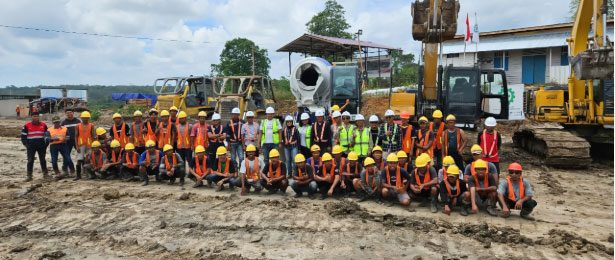
Why a Self-Loading Concrete Mixer Should Be on Your Acquisition Radar
In the fast-paced world of construction, even the most efficient concrete mixers can present challenges that affect timelines and budgets. This is where the value of a self loading cement mixer comes into play. Not only does this innovative piece of equipment automate critical processes, but it also saves you precious time and labor, allowing you to focus on more important aspects of your projects.
Your Equipment Will Pay for Itself
Labor expenses represent a significant portion of the construction budget. Therefore, investing in labor-saving equipment is a wise strategy for any contractor. With a self-loading concrete mixer, you dramatically reduce labor costs, leading to substantial savings over time. Here’s why this is crucial:
- Reduced Workforce Needs: By minimizing the number of workers required to load materials, you can reallocate human resources where they are needed most.
- Quick ROI: Many operators find that their new self-loading mixer pays for itself in a short period, thanks to reduced labor costs and increased efficiency.
- Profit Boosting: After covering equipment costs, the mixer continues to serve as a profit booster, enhancing overall profitability for your business.
Faster Task Completion
Loading a concrete mixer manually can be an arduous and time-consuming task that can lead to significant project delays. The self-loading feature of the mixer eliminates this chore, allowing you to speed up workflow processes dramatically. In construction, even minor delays can snowball into major issues, impacting deadlines and client satisfaction. Here’s how a self-loading mixer accelerates task completion:
- Streamlined Operations: Automation of the loading process allows for continuous operation, significantly reducing idle time.
- Improved Coordination: With less time spent loading, teams can coordinate better, ensuring that the whole project stays on track.
- Timely Deliveries: Completing tasks swiftly ensures you meet deadlines, boosting your reputation for reliability and excellence.
Designed for Convenience
Self-loading concrete mixers require minimal input from your workforce, effectively reducing on-the-job stress. The unpredictable nature of construction can lead to high stress levels among workers. Having equipment that eases the workload minimizes stress and enhances productivity. Here are some additional benefits of using a self-loading mixer:
- Enhanced Job Satisfaction: The ability to focus on core tasks can lead to improved job satisfaction among employees, which is essential for employee retention.
- Ergonomic Design: Many modern self-loading mixers come with user-friendly interfaces and controls, making them easy to operate.
- Safety Features: These mixers often include safety features that protect operators while enhancing overall site security.
A Variety of Mixers to Choose From
One of the most appealing aspects of self-loading concrete mixers is their availability in various models. This variety ensures that you can find the perfect fit for your specific needs, ranging from small to larger capacities. Manufacturers offer multiple models at different price points, meaning:
- Tailored Solutions: You won’t need to make compromises when selecting your equipment; you can assess your project requirements fully.
- Budget Flexibility: With options available at various price points, you can find a self loading concrete mixer for sale in Kenya that fits your financial plan.
- Adaptability: Whether you need a compact mixer for smaller projects or a robust model for large-scale construction, the options are abundant.
Conclusion
If you're considering adding a concrete mixer to your fleet, a self-loading concrete mixer is an excellent choice to explore. These mixers have gained popularity in recent years due to their efficiency, convenience, and innovative technology, making them a favorite among contractors and builders alike.
By investing in a self-loading concrete mixer, you're not just purchasing machinery; you're acquiring a reliable partner that will enhance your operational capabilities and improve your success in the competitive construction landscape. With the constant evolution of construction techniques and market demands, these mixers are designed to stay ahead, allowing you to:
- Stay Competitive: Efficient equipment gives you an edge over competitors who may still be relying on outdated manual methods.
- Meet Diverse Project Demands: From residential to commercial projects, self-loading mixers can handle various applications, making them versatile for multiple projects.
- Ensure Consistent Quality: Automated mixing processes lead to a more uniform mixture, resulting in higher quality concrete that meets industry standards.
Future-Proofing Your Construction Operations
The construction industry is constantly evolving. By investing in a self-loading concrete mixer, you are future-proofing your operations to adapt to new technologies and methodologies. Consider the following:
- Technological Advancements: Many modern mixers come equipped with advanced technology that not only speeds up processes but also enhances the quality of output.
- Sustainability Practices: Self-loading concrete mixers can be more efficient in terms of fuel consumption, helping you to align with sustainable practices that are becoming increasingly important in the industry.
- Long-term Investment: The durability and functionality of self loading mixers make them a sound investment that can provide value for years to come.
Your Next Steps
As you weigh your options for acquiring a new concrete mixer, take the time to research and consider a self-loading concrete mixer as a top contender. Evaluate the specific requirements of your projects, along with the models available that suit your capacity needs and budget constraints. Engage with suppliers to understand the features and benefits of different models, and don't hesitate to request demonstrations to see these machines in action.
For more detailed information about self-loading concrete mixers, you can visit AIMIX Group website. Exploring your options today may well be the first step towards significantly enhancing your construction operations and achieving greater project success.
Ultimately, investing in a self-loading concrete mixer not only addresses immediate operational needs but positions your business for future growth and success in an ever-competitive market.
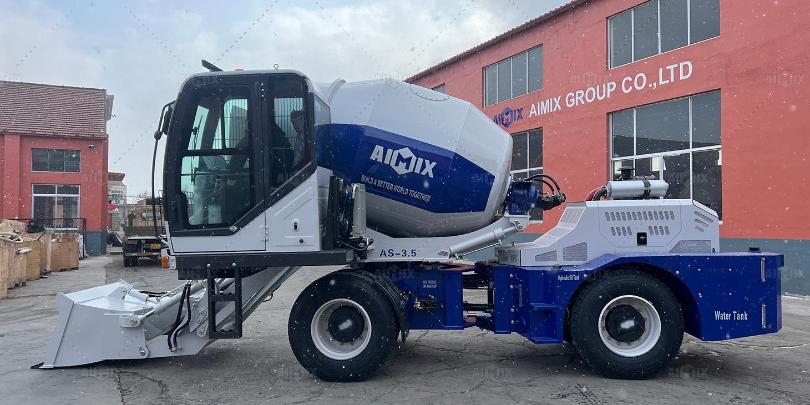
Types of Community Projects That Frequently Employ Self-Loading Transit Mixers
Self-loading transit mixers are essential in modern construction, bringing unparalleled efficiency to projects of all scales. With their ability to combine the roles of a loader, mixer, and transporter, these machines are highly valued in community development initiatives. Their versatility allows them to be deployed across various types of projects, ensuring high productivity and cost-effectiveness. From infrastructure development to small-scale urban improvements, self-loading transit mixers prove to be indispensable.
Infrastructure Development Projects
Road Construction
Road construction projects often require the rapid and consistent production of concrete. Self loading transit mixer streamlines this process by delivering freshly mixed concrete directly to the site, reducing delays and enhancing project timelines. Their agility ensures they can navigate tight construction zones with ease.
Bridge Construction
Bridge construction demands high-quality concrete for structural integrity. Self-loading mixers, equipped with precision measuring systems, ensure the right mix ratio is achieved. This capability is critical in producing durable and resilient concrete for bridges.
Housing and Shelter Projects
Affordable Housing Initiatives
Self-loading transit mixers play a pivotal role in affordable housing projects. They provide an economical solution for mixing and transporting concrete to multiple construction sites, ensuring consistent progress without reliance on external batching plants.
Disaster Relief Shelters
In disaster-hit areas, time is of the essence. Self-loading mixers expedite the construction of emergency shelters by producing concrete on-site. Their mobility and efficiency enable quick responses to urgent construction needs.
Urban Development Projects
Parks and Recreational Facilities
Community parks and recreational spaces often involve pathways, seating areas, and structures that require concrete. Self-loading mixers simplify these projects by delivering the exact quantity of concrete needed, minimizing waste and cost.
Drainage Systems
Urban drainage systems are vital for managing water flow and preventing flooding. Self-loading transit mixers assist in laying durable concrete channels and culverts, ensuring long-lasting solutions for water management.
Social and Cultural Projects
Community Centers
Building community centers involves constructing multipurpose spaces for gatherings, education, and recreation. Self-loading cement mixers for sale south africa ensure a steady supply of concrete, supporting the creation of these vital community hubs.
Historical Monuments
Restoring or constructing monuments requires precise concrete mixes to preserve structural integrity and aesthetic appeal. Self-loading mixers deliver reliable results, making them a preferred choice for these projects.
Rural Development Projects
Water Storage Tanks
Rural areas often require robust water storage solutions. Self-loading transit mixers facilitate the construction of concrete tanks, ensuring communities have access to reliable water sources.
Agricultural Infrastructure
Agricultural projects like silos and irrigation channels benefit from the efficient use of self-loading mixers. These machines streamline construction processes, supporting rural development and food security.
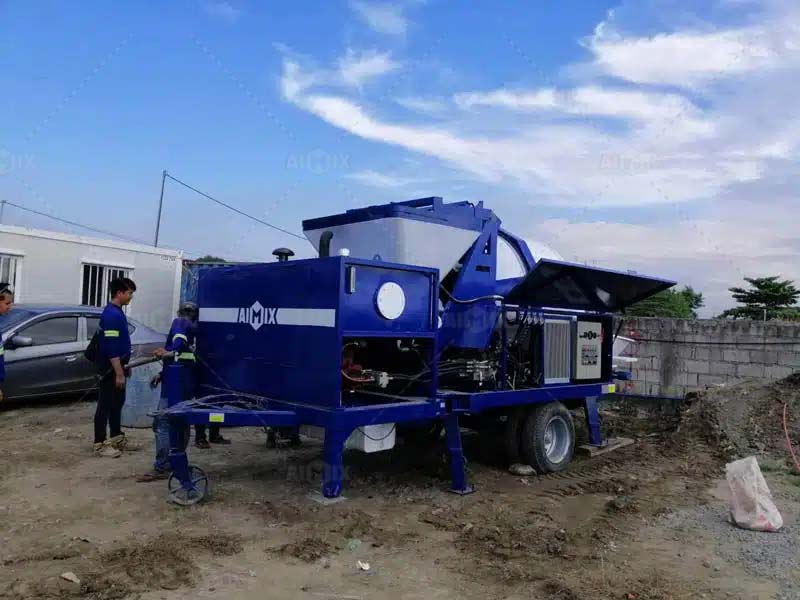
How to Optimize Concrete Mix Pump Operations for Faster Project Completion
In the realm of construction, the efficiency of concrete mix pump operations is a crucial determinant of project timelines and overall success. A well-optimized pumping process not only accelerates the delivery of concrete but also improves the quality of the finished product. By focusing on strategic enhancements, construction managers can significantly reduce delays and cost overruns. This article delves into the methodologies and technological advancements that can streamline concrete pumping operations, ultimately leading to expedited project completion.
Understanding the Impact of Concrete Mix Quality
Assessing Material Properties
The quality of the concrete mix is paramount to successful pumping operations. It is essential to conduct a thorough assessment of the constituent materials, including aggregates, cement, and water, to ensure optimal compatibility. Utilizing high-quality aggregates that are clean and well-graded can diminish the risk of blockages within the pump lines. Moreover, the water-to-cement ratio must be meticulously calibrated to achieve the desired workability without compromising strength. Inadequate material quality can lead to significant disruptions, emphasizing the need for rigorous quality control protocols.
Implementing Advanced Mix Designs
Adopting innovative mix designs, such as self-consolidating concrete (SCC), can profoundly enhance pumpability. SCC is characterized by its ability to flow under its own weight, requiring minimal vibration during placement. This not only expedites the pumping process but also ensures uniform distribution throughout the formwork. Furthermore, integrating admixtures such as superplasticizers can improve flow characteristics, allowing for faster placement without sacrificing the integrity of the mix. These advancements in mix design are indispensable for optimizing pump operations.
Streamlining Pump Operation Techniques
Regular Maintenance and Inspection
Consistent maintenance of concrete pumps is vital for ensuring operational efficiency. Regular inspections should be conducted to identify wear and tear, particularly on hoses and seals. Preventive maintenance schedules can preemptively address potential failures, thereby reducing downtime. Additionally, ensuring that pumps are calibrated correctly and hoses are appropriately sized for the specific job can mitigate the risk of operational inefficiencies. A culture of proactive maintenance significantly contributes to smoother operations and enhanced project timelines.
Training and Skill Development
The skill level of the workforce plays an integral role in the optimization of concrete pumping. Investing in comprehensive training programs for operators can yield substantial dividends. Knowledgeable operators are better equipped to manage the complexities of portable concrete pumps, from adjusting pressure settings to troubleshooting minor issues on-site. Furthermore, fostering a safety-first ethos can minimize accidents and improve overall productivity. Continuous skill enhancement is paramount in adapting to evolving technologies and methodologies in the construction industry.
Leveraging Technology for Enhanced Efficiency
Utilizing Telemetry and Monitoring Systems
Modern technologies, such as telemetry and real-time monitoring systems, have revolutionized concrete pumping operations. These systems provide valuable insights into pump performance, enabling operators to make informed decisions promptly. Data analytics can reveal patterns in pump usage and potential inefficiencies, guiding managers in optimizing resource allocation. By harnessing these technological advancements, construction teams can ensure that concrete is delivered swiftly and efficiently, thus expediting project completion.
Embracing Automation and Robotics
The integration of automation and robotic solutions in concrete pumping is an emerging trend that promises to reshape the industry. Automated systems can enhance precision and reduce labor costs, allowing for a more streamlined workflow. Robots equipped with advanced sensors can perform tasks such as monitoring concrete consistency and detecting anomalies in real-time. Embracing these innovations not only accelerates project timelines but also enhances the quality of the final product, underscoring the importance of staying ahead in a competitive market.
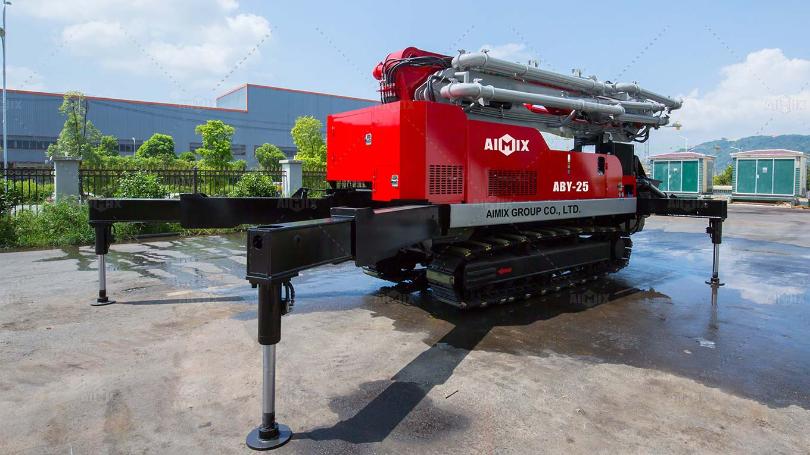
Why Concrete Boom Pumps Are Perfect for Complex Construction Projects
In the realm of modern construction, the demands for efficiency, precision, and adaptability have never been more pronounced. As projects grow in complexity, so too must the equipment and methodologies employed to complete them. Among the array of machinery available, concrete boom pumps stand out as a pivotal tool, particularly in environments characterized by intricate designs and challenging logistics. Understanding the advantages of these specialized pumps is crucial for project managers and construction professionals alike, as they navigate the multifaceted landscape of contemporary building endeavors.
This article delves into the myriad reasons why concrete pump with boom have become indispensable for complex construction projects, dissecting their operational benefits, versatility, and the enhanced safety features they bring to the table. By examining these elements, we can appreciate how these machines not only streamline processes but also elevate the overall quality of construction output.
Operational Efficiency and Precision
One of the most compelling reasons to utilize concrete boom pumps in complex construction settings is their unparalleled operational efficiency. These machines are designed to deliver concrete to elevated and hard-to-reach locations with remarkable precision.
Enhanced Delivery Range
Concrete boom pumps boast an impressive delivery range, often extending upwards of 60 meters. This capability is particularly advantageous in intricate projects where vertical construction is paramount. The ability to place concrete precisely at the required height reduces the need for scaffolding and other support structures, streamlining the overall workflow. Moreover, this range allows for efficient pouring even in densely populated urban areas, where space constraints are a common challenge.
Minimized Waste and Errors
Another significant advantage lies in their ability to minimize waste and construction errors. Traditional methods of concrete placement often lead to spillage and miscalculations, resulting in increased costs and time delays. In contrast, concrete boom pumps allow operators to control the flow of concrete with remarkable accuracy, thereby reducing overspill and ensuring that every cubic meter is utilized effectively. This not only enhances the project's sustainability but also contributes to a more cost-effective budget management process.
Versatility Across Various Projects
Concrete boom pumps are not just limited to a single type of project; their versatility makes them suitable for a wide array of applications. From high-rise buildings to intricate residential structures, the concrete pumping machine for sale adapt seamlessly to the specific demands of each project.
Adaptable for Diverse Environments
Whether it’s a sprawling commercial complex or a tight-knit urban site, concrete boom pumps can maneuver through significantly challenging environments. Their extendable booms can navigate around obstacles and reach places that are otherwise inaccessible, making them ideal for complex layouts. This adaptability enables construction teams to remain agile, responding swiftly to the unique challenges that each project presents.
Compatibility with Various Concrete Types
Furthermore, these pumps are compatible with a variety of concrete mixes, including self-leveling and high-strength formulations. This compatibility ensures that project specifications are met with precision, allowing for creative architectural designs and innovative construction techniques. The ability to handle different types of concrete also enhances the overall quality and durability of the finished product, which is especially crucial in demanding applications like infrastructure development.
Enhanced Safety Features
In addition to operational efficiency and versatility, safety remains a paramount consideration in construction. Concrete boom pumps are designed with advanced safety features that protect both workers and the integrity of the project.
Minimized Manual Handling
By mechanizing the concrete delivery process, boom pumps significantly reduce the need for manual handling. This minimizes the risk of workplace injuries, particularly in high-risk environments where heavy lifting and awkward positioning are commonplace. Operators can manage the pumps from a safe distance, ensuring that the potential for accidents is greatly diminished.
Integrated Monitoring Systems
Moreover, many modern concrete boom pumps come equipped with integrated monitoring systems that provide real-time data on the pump's operation. These systems alert operators to potential issues before they escalate, thereby enhancing safety protocols and maintaining a smooth workflow. By prioritizing safety, these machines not only protect workers but also ensure that projects stay on schedule and within budget.
In conclusion, the adoption of concrete boom pumps in complex construction projects is not merely a trend; it is a strategic decision that underscores the evolving nature of the industry. Their ability to deliver operational efficiency, adaptability, and enhanced safety makes them an invaluable asset. As construction projects continue to escalate in complexity, the role of concrete boom pumps will undoubtedly remain pivotal, driving forward the standards of excellence in the building sector.
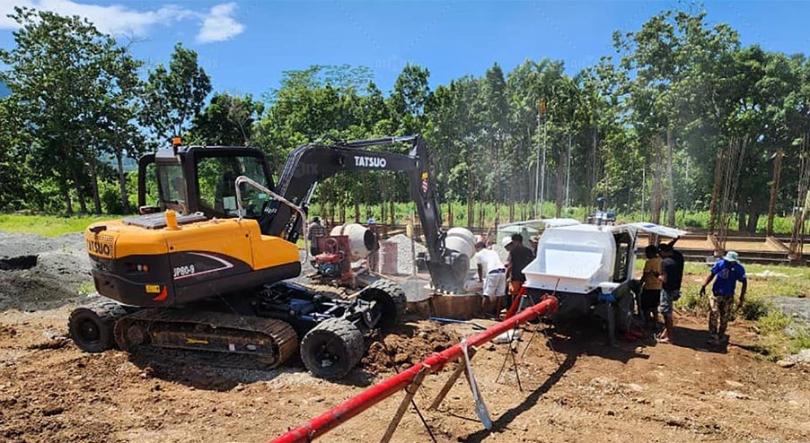
Can Stationary Concrete Pumps Be Used In Slope Protection Projects?
The increasing unpredictability of climate patterns and the consequent rise in landslide incidents have accentuated the need for effective slope protection strategies. As engineers and environmentalists seek innovative solutions, the role of machinery in these endeavors becomes paramount. Among the tools available, stationary concrete pumps emerge as a pivotal technology, capable of delivering concrete precisely where it is needed. This article explores how these pumps can be leveraged in slope protection projects, providing insights into their functionality, advantages, and practical applications.
The Functionality of Stationary Concrete Pumps
Stationary concrete pumps are designed to transfer liquid concrete from a mixer to the desired location, utilizing a series of pipes and hoses. Their operation hinges on the principles of hydraulics, allowing for the efficient and effective movement of heavy materials over considerable distances. This technology is particularly beneficial in areas that are inaccessible or hazardous for traditional concrete delivery methods.
Mechanics of Operation
The core mechanism of stationary concrete pumps involves a pair of pistons or cylinders that alternately draw concrete from the hopper and discharge it through the pipeline. This system enables a continuous flow of concrete, making it ideal for projects requiring rapid and consistent application. The pumps can be equipped with various attachments, enhancing their versatility in different terrains and conditions.
Precision Delivery
One of the most significant advantages of using stationary concrete pumps in slope protection is their ability to deliver concrete with exceptional precision. In slope stabilization efforts, the placement of concrete is critical. The pumps can accurately inject concrete into forms or directly into areas that require reinforcement, minimizing wastage and ensuring that the material adheres to the intended design specifications.
Advantages in Slope Protection Projects
Utilizing stationary concrete pumps in slope protection projects offers a myriad of advantages that enhance both efficiency and effectiveness. As the demands for sustainable and durable construction methods increase, understanding these benefits is crucial for engineers and project managers.
Enhanced Safety
In steep or unstable environments, the safety of workers is paramount. Stationary concrete pumps mitigate risks by allowing operators to work from a safe distance. This separation not only reduces the likelihood of accidents but also ensures that the concrete is applied without the need for personnel to navigate hazardous areas.
Time and Cost Efficiency
Time is often of the essence in construction projects, particularly in emergency situations like landslides. Trailer concrete pumps for sale can significantly reduce the time required for concrete placement. This accelerated process translates to lower labor costs and faster project completion, facilitating timely responses to environmental challenges.
Real-World Applications
The versatility of stationary concrete pumps extends beyond mere theory; they have been successfully employed in various slope protection projects worldwide. From hillside reinforcement to the construction of retaining walls, these pumps have proven their efficacy time and again.
Case Studies
Numerous case studies illustrate the successful integration of stationary concrete pumps in slope protection. For instance, projects involving the stabilization of eroded hillsides have utilized these pumps to seamlessly deliver concrete mixtures, achieving both aesthetic and structural integrity. Furthermore, the adaptability of the pumps to different terrains has enabled engineers to implement innovative solutions in challenging environments.
Future Prospects
As technology continues to evolve, the potential applications of stationary concrete pumps are bound to expand. Ongoing research into more sustainable concrete mixtures and enhanced pump technology will likely yield even greater efficiencies, making these machines indispensable in the future of slope protection.
In conclusion, stationary concrete pumps represent a transformative force in the realm of slope protection projects. Their blend of precision, efficiency, and safety makes them an invaluable asset for engineers and constructors tasked with safeguarding our landscapes against the elements.
Understanding Diverse Construction Projects
Overview of the Variability in Construction Projects
Construction projects encompass a wide spectrum of activities, ranging from residential buildings to large-scale infrastructure developments. Each project comes with its own set of specifications, timelines, and budget constraints, requiring tailored solutions to ensure successful completion. From small-scale renovations to multi-phase construction projects, the variability in construction demands necessitates a nuanced understanding from manufacturers.
Importance of Customization in Meeting Project Requirements
Customization plays a pivotal role in addressing the unique requirements of construction projects. Standardized solutions may not suffice when faced with the intricacies of project specifications, leading to inefficiencies and compromises in quality. Therefore, concrete mixer truck self loading manufacturers must prioritize customization to deliver concrete mixer trucks that align precisely with the needs of each project, ensuring optimal performance and efficiency.
Tailoring Features and Capacities
Flexible Design Options to Accommodate Different Project Specifications
Self-loading concrete mixer truck manufacturers offer a range of design options to accommodate diverse project specifications. This includes variations in chassis configurations, mixer drum sizes, and discharge options. By providing flexibility in design, manufacturers empower clients to select features that best suit their project requirements, whether it involves navigating narrow construction sites or transporting large volumes of concrete over long distances.
Customizable Capacities for Varying Concrete Requirements
Another aspect of customization lies in the capacity of self-loading concrete mixer trucks. Manufacturers offer customizable options to cater to varying concrete requirements, from small-scale residential projects to high-volume commercial developments. Whether clients need a compact mixer for confined spaces or a high-capacity unit for large pours, manufacturers tailor the capacities of their trucks to ensure optimal performance and productivity on the job site. View more info on AIMIX Group website.
Collaborative Approach with Clients
Engaging in Thorough Consultations to Understand Project Needs
Effective customization hinges on a collaborative approach between manufacturers and clients. Manufacturers engage in thorough consultations with clients to gain a comprehensive understanding of project needs, including site conditions, concrete specifications, and operational requirements. By soliciting input from clients at the outset, manufacturers can tailor their solutions to address specific project challenges, fostering a collaborative partnership throughout the design and manufacturing process.
Providing Solutions Through Collaborative Design and Engineering Processes
Armed with insights from client consultations, manufacturers leverage collaborative design and engineering processes to develop customized solutions. This involves iterative feedback loops, where client input informs the refinement of design concepts and engineering solutions. By involving clients in the decision-making process, manufacturers ensure that the final product meets or exceeds expectations, delivering tangible value and performance on the job site.
In conclusion, self-loading concrete mixer truck manufacturers employ a range of strategies to address the customization needs of diverse construction projects. By understanding the variability in construction projects, tailoring self loading cement truck features and capacities, and adopting a collaborative approach with clients, manufacturers ensure that their trucks meet the unique requirements of each project, ultimately contributing to improved efficiency and productivity in the construction industry.
What Is The Cleaning And Maintenance Process For Concrete Mixer Pumps?
Concrete mixer pumps play a crucial role in construction projects, combining the functions of a concrete mixer and a concrete pump into a single machine. As with any equipment, regular cleaning and maintenance are essential to ensure optimal performance and longevity. In this article, we'll delve into the cleaning and maintenance process for concrete mixer pumps, outlining the steps involved in keeping these machines in top condition.
Cleaning Process for Concrete Mixer Pumps
Pre-cleaning preparations
Before beginning the cleaning process, it's essential to undertake some preparatory steps to ensure safety and efficiency. Firstly, shut down the AIMIX concrete mixer pump and disconnect it from any power source. This prevents accidental activation during cleaning, reducing the risk of injury. Additionally, ensure that all safety measures, such as wearing appropriate personal protective equipment (PPE), are in place before proceeding.
Cleaning the mixer drum
The mixer drum is where the concrete mixing occurs and is prone to the accumulation of hardened concrete residue over time. To clean the mixer drum effectively, start by removing any excess concrete residue using tools such as shovels or scrapers. Once the bulk of the residue has been removed, use high-pressure water jets to thoroughly clean the interior of the drum. This helps to dislodge any remaining concrete and ensures that the drum is clean and ready for the next use.
Cleaning the pumping system
In addition to cleaning the mixer drum, it's crucial to clean the pumping system of the concrete mixer pump. Begin by flushing out any remaining concrete from the system, including the hopper, pipes, and valves. This can be done by running water through the system at high pressure, effectively dislodging and removing any stubborn concrete deposits. Once the system has been flushed, inspect the pipes and valves for any signs of damage or blockages, and clean them as necessary to ensure proper functioning.
Maintenance Process for Concrete Mixer Pumps
Regular inspection and lubrication
Regular inspection and lubrication are key components of maintaining a concrete mixer pump. Periodically inspect the pump for signs of wear and tear, such as worn-out seals or damaged components, and replace them as needed to prevent further damage. Additionally, lubricate moving parts such as bearings, gears, and shafts to reduce friction and prolong their lifespan.
Monitoring hydraulic systems
The hydraulic system is critical to the operation of a concrete mixer pump, powering the movement of the mixer drum and the pumping of concrete. Regularly monitor the hydraulic fluid levels and top up as needed to ensure smooth operation. Inspect hoses and connections for any signs of leaks or damage, and replace them promptly to prevent hydraulic failure during operation.
Ensuring electrical system integrity
The electrical system of a concrete mixer pump controls various functions, including the operation of the mixer drum and the pumping system. Regularly check the wiring and connections for signs of wear or corrosion, and repair or replace any damaged components. Additionally, test the safety features of the electrical system, such as emergency stop switches and overload protection, to ensure they are functioning correctly and provide reliable protection for operators.
In conclusion, proper cleaning and maintenance are essential for ensuring the reliable and efficient operation of concrete pumpsconcrete pumps. By following the outlined process and conducting regular inspections and upkeep, operators can prolong the lifespan of their equipment and minimize the risk of downtime due to mechanical failures or malfunctions.
Self Loading Concrete Mixer Machine Leasing vs. Buying: Comparing the Financial Implications
In the construction industry, efficiency and cost-effectiveness are paramount. One critical decision that construction firms must make involves the acquisition of equipment, particularly self-loading concrete mixer machines. These versatile machines combine the functions of a loader, mixer, and transporter, significantly enhancing project productivity. The financial implications of leasing versus buying such equipment can have a substantial impact on a company's bottom line. Understanding these implications is crucial for making an informed decision that aligns with the company's financial strategy and project requirements.Initial Costs and Financial Flexibility
Leasing: Lower Initial Investment
Leasing a self-loading concrete mixer machine requires a significantly lower initial investment compared to purchasing. This option allows construction firms to allocate capital towards other critical areas such as operational expenses or additional project resources. Monthly lease payments for the self loading concrete mixer truck are generally more manageable than the lump-sum required for buying, enhancing cash flow flexibility. Furthermore, leasing often includes maintenance and service packages, reducing unexpected costs associated with equipment repairs.Buying: Long-term Asset Ownership
Purchasing a self-loading concrete mixer machine involves a substantial upfront cost. However, this investment translates into asset ownership, providing long-term financial benefits. Once the machine is paid off, the firm no longer incurs monthly payments, allowing for cost savings in the long run. Additionally, owning the equipment offers potential tax benefits through depreciation. Companies can also leverage the asset for collateral in securing loans or lines of credit, providing further financial flexibility.
Operational Considerations and Utilization
Leasing: Access to Latest Technology
Leasing provides construction firms with the opportunity to utilize the latest technology without the burden of obsolescence. Equipment manufacturers, like AIMIX Group, continually innovate, releasing new models with enhanced features and improved efficiency. By leasing, companies can upgrade their machinery at the end of the lease term, ensuring access to state-of-the-art technology. This approach is particularly advantageous in a competitive industry where efficiency and innovation are critical to maintaining a competitive edge.Buying: Consistent Availability and Customization
Owning a self-loading concrete mixer machine ensures its availability whenever needed, eliminating dependency on lease terms or potential availability issues with leasing companies. This consistent access to equipment can significantly enhance project scheduling and efficiency. Furthermore, ownership allows for customization to meet specific project requirements. Companies can modify and adapt their machinery without restrictions imposed by leasing agreements, providing a tailored approach to their operational needs.Financial Impact and Long-term Planning
Leasing: Predictable Expenses and Tax Deductions
Leasing agreements often come with fixed monthly payments, making it easier for companies to predict and manage their expenses. This predictability aids in budgeting and financial planning. Additionally, lease payments are typically tax-deductible as operational expenses, providing immediate tax relief. This deduction can improve the company’s cash flow and overall financial health, making leasing an attractive option for firms seeking short-term financial stability.
Buying: Equity Building and Resale Value
Purchasing equipment builds equity, adding to the company's asset portfolio. This equity can be a significant financial advantage, particularly when seeking investment or loans. Additionally, self loading concrete mixer for sale in the Philippines retain considerable resale value. When a company decides to upgrade or liquidate assets, selling owned equipment can recoup a substantial portion of the initial investment. This potential for resale provides long-term financial benefits that leasing does not offer.Conclusion
The decision between leasing and buying a self-loading concrete mixer machine hinges on several financial and operational factors. Leasing offers lower initial costs, access to the latest technology, and predictable expenses, making it suitable for firms prioritizing financial flexibility and short-term needs. Conversely, buying ensures long-term asset ownership, consistent availability, and the potential for equity building and resale value, aligning with long-term financial strategies. Construction firms must carefully evaluate their financial position, project demands, and strategic goals to make the most advantageous decision. By considering these factors, companies can optimize their equipment acquisition strategy, ultimately enhancing their operational efficiency and financial health.How to Use The Concrete Mixer with Pump Machine for Warehouse Building Construction?
Warehouse construction demands precision and efficiency, especially when managing large-scale concrete projects. The concrete mixer with pump machine stands as a pivotal tool in these operations. By combining both the mixing and pumping functions, it offers unparalleled productivity for pouring foundations, walls, and floors. However, understanding how to utilize this machine effectively is crucial for ensuring structural integrity, minimizing waste, and optimizing labor. It is not just about operating a piece of machinery—it is about mastering a system that can drastically improve the overall construction process.Preparing the Site for Optimal Performance
Evaluating the Foundation Requirements
Before engaging the concrete mixer with pump, it is imperative to assess the specific foundation needs of the warehouse. This assessment involves understanding soil conditions, load-bearing capacities, and the thickness required for the concrete slab. A detailed evaluation helps determine the concrete mix ratio, ensuring durability and long-term stability. The machine’s capability to adjust mixing ratios on-site allows for real-time modifications based on these foundational parameters, enhancing the accuracy of the entire project.Positioning the Equipment Strategically
Site preparation isn’t complete without determining the optimal position for the mixer and pump. The equipment should be placed in a central location that minimizes hose lengths while maximizing reach to all areas of the site. This reduces the strain on the machine and ensures consistent concrete flow. Strategic positioning also mitigates potential risks, such as tripping hazards or obstruction of critical pathways, while allowing the operator to maintain clear lines of sight during the pumping process.Operating the Concrete Mixer with Pump
Mixing the Right Concrete Consistency
Achieving the correct concrete consistency is pivotal in warehouse construction. The concrete mixer with pump allows for precise control over the water-to-cement ratio, adjusting the blend for specific structural components. A wetter mix may be needed for floors, while thicker, more robust mixtures are essential for load-bearing walls. Operators must maintain a balance between fluidity for pumping efficiency and the structural integrity of the final concrete pour.Learn more about its operation: https://aimixconcretesolution.com/concrete-pump/how-to-operate/.Ensuring Smooth and Consistent Pumping
Effective operation of the pumping mechanism requires maintaining an even flow of concrete throughout the project. Stopping and starting the pump can lead to blockages, causing unnecessary delays and potential equipment damage. Continuous pumping ensures a uniform concrete surface and minimizes air pockets, which are detrimental to the warehouse’s structural integrity. Operators should monitor the machine’s pressure levels, making minor adjustments to ensure optimal flow and prevent costly errors.Maintaining Equipment and Monitoring Safety
Daily Maintenance and Inspection
Regular maintenance of the concrete mixer with pump is non-negotiable. Daily inspections before use can prevent malfunctions during critical phases of construction. Key components, such as hoses, valves, and the hydraulic system, should be checked for wear and tear. Adequate lubrication of moving parts will extend the lifespan of the machine, while consistent cleaning of the mixer drum prevents residual concrete from hardening, thus maintaining its efficiency.Any maintenance problems, contact us for best concrete solutions.Prioritizing Safety Protocols
Safety is paramount in any construction project. When operating the mixer concrete pump, adhering to safety protocols reduces the risk of injury and ensures that the equipment performs at its highest capacity. Operators should wear protective gear and be trained on how to handle potential malfunctions. Additionally, a clear communication system between the machine operator and ground workers is essential for coordinating movements and ensuring that no one is in harm’s way during the pumping process.The Perfect Combination of Concrete Placing Boom and Concrete Pump
When it comes to construction, the right partnership can make all the difference. Imagine Batman without Robin or peanut butter without jelly—things just wouldn’t be the same. Similarly, the concrete placing boom and the concrete pump are a dynamic duo that, when combined, can take your construction project to superhero levels of efficiency. This perfect pairing not only makes concrete placement a breeze but also saves time, money, and quite possibly your sanity.Understanding the Role of the Concrete Pump
Powering Through Concrete Delivery
The concrete pump is the workhorse of the operation. It's the piece of equipment that takes the heavy lifting out of concrete delivery. By using hydraulic pressure to push concrete through a pipeline, the pump ensures that even the most stubborn mixture reaches its destination with minimal effort. No more manual hauling of heavy buckets or wheeling wheelbarrows over uneven terrain. The pump does it all with the push of a button, or more accurately, the pull of a lever. And the best part? It does so with the grace and finesse of a ballet dancer in a hard hat.Precision and Control in Placement
But the pump isn't just about raw power. It's also about precision. The ability to control the flow of concrete means you can place it exactly where you want it, with no spillage, no wastage, and no need to call in the cleanup crew. This level of control is essential for creating smooth, level surfaces and ensuring that every last corner is filled. Think of the concrete pump as the brain of the operation, making sure everything goes exactly according to plan.The Magic of the Concrete Placing Boom
Reaching New Heights
While the pump is busy flexing its muscles, the concrete placing boom is doing the delicate work of reaching those high or hard-to-access spots that would otherwise be a nightmare to pour. Mounted on a crane, the placing boom extends the reach of the pump, allowing concrete to be placed at heights and distances that would be impossible with just the pump alone. It's like having an extra-long, extendable arm that can pour concrete with pinpoint accuracy, whether you're working on a multi-story building or a sprawling construction site.360-Degree Flexibility
What makes the placing boom truly magical is its 360-degree flexibility. It can rotate, extend, and retract with ease, giving you complete control over the placement of the concrete. No angle is too tricky, no location too remote. With the placing boom, you can cover every inch of your site without breaking a sweat. This flexibility not only speeds up the pouring process but also reduces the risk of errors, making it a must-have tool for any serious construction project.The Power of Teamwork: Why This Combo Works
Efficiency and Speed
When the concrete pump and placing boom work together, the result is nothing short of construction magic. The mixer pump delivers the concrete quickly and efficiently, while the placing boom ensures that it gets exactly where it needs to go. This combination of speed and accuracy means that your project can be completed faster and with fewer headaches. And let's be honest—who doesn't want that?Cost-Effective Solutions
Finally, this dynamic duo is also a cost-effective solution. By reducing the amount of labor required and minimizing the risk of mistakes, the pump and placing boom save you money in the long run. They also allow you to tackle larger and more complex projects with confidence, knowing that you've got the right tools for the job. So, if you're looking to maximize your construction efficiency, look no further than the perfect combination of concrete pump and placing boom. It's a match made in construction heaven.Most Important Factors to Consider When Buying the Best Concrete Mixer Pump for Sale
Investing in a concrete mixer pump is a crucial decision that can significantly impact the efficiency and profitability of your construction projects. The right choice can streamline operations, reduce labor costs, and improve the quality of your work. However, with the variety of options available in the market, identifying the best concrete mixer pump for sale requires careful consideration of several key factors. Making an informed decision means going beyond the basics and delving into the specificities that will cater to your unique project requirements. Below, we explore the most essential aspects you should evaluate before making this important purchase.Understanding Your Project Requirements
Project Scale and Scope
The first step in selecting the best concrete mixer pump is to thoroughly understand the scale and scope of your projects. Are you working on small residential jobs or large commercial projects? The size of the job will dictate the capacity of the pump you need. For small-scale projects, a compact, portable mixer pump might suffice, offering ease of movement and lower operational costs. Conversely, large-scale operations will require a more robust machine with higher output capacity to meet the demands of extensive concrete placement. Selecting a pump that aligns with your project’s scale ensures that you have the right balance between efficiency and cost-effectiveness, preventing both underperformance and unnecessary expenditures.Type of Concrete Mix
Another critical consideration is the type of concrete mix you typically work with. Different projects might require various concrete consistencies, from lightweight aggregates to high-strength mixes. Some mixer pumps are versatile and can handle a wide range of concrete types, while others are optimized for specific kinds. If your projects involve unique or specialized mixes, such as self-compacting concrete or fiber-reinforced concrete, it is vital to ensure that the mixer pump you choose can efficiently process these materials without compromising on quality. A mismatch between the pump and the concrete type can lead to blockages, reduced efficiency, and even damage to the equipment.Technical Specifications and Features
Pumping Capacity and Pressure
When evaluating potential concrete mixer pumps, it’s essential to assess their pumping capacity and pressure capabilities. These specifications determine how much concrete the pump can move per hour and how far it can transport the material vertically and horizontally. Higher capacity and pressure are beneficial for large-scale projects where substantial volumes of concrete need to be delivered quickly across long distances. However, for smaller projects, an excessively high capacity may be unnecessary and could lead to inefficiencies. It's crucial to match the pump's capacity and pressure with the specific needs of your projects to ensure optimal performance.Engine Type and Fuel Efficiency
The engine type and its fuel efficiency are often overlooked but are vital aspects of selecting the best AIMIX concrete mixer pump. Diesel engines are common in larger pumps due to their power and durability, especially in demanding work environments. However, they may come with higher fuel costs and emissions. On the other hand, electric-powered pumps offer cleaner operation and are suitable for indoor or noise-sensitive environments but may not provide the same level of power as diesel engines. Evaluating the engine’s power relative to your needs, along with its fuel efficiency, can help you choose a pump that balances operational costs with performance.Cost Considerations and After-Sale Support
Initial Investment vs. Long-Term Value
Price is undoubtedly a significant factor when purchasing a concrete mixer pump, but it should not be the sole determinant. While it might be tempting to opt for a cheaper model, considering the long-term value is crucial. A lower initial cost may save money upfront, but it could lead to higher maintenance costs, more frequent repairs, and shorter equipment lifespan. On the other hand, investing in a high-quality, durable pump might have a higher initial cost but can save money over time through enhanced reliability, lower operating costs, and a longer service life. It’s essential to weigh the initial investment against the total cost of ownership to make a financially sound decision.Availability of Parts and After-Sale Support
Lastly, the availability of parts and the quality of after-sale support should play a significant role in your decision-making process. Even the best equipment can experience wear and tear, requiring timely maintenance and repairs. Choosing a manufacturer or supplier with readily available spare parts and a strong support network ensures that you can quickly address any issues that arise, minimizing downtime and maintaining productivity. Excellent after-sale service can be the difference between a smooth-running operation and one plagued by delays and frustrations. In conclusion, selecting the best concrete mixer pump for your needs involves a careful evaluation of your project requirements, technical specifications, and cost considerations. By thoroughly understanding these factors, you can make an informed decision that will enhance the efficiency and success of your construction projects.Differences Between Limestone Crusher Machine and Limestone Grinding Machine
Limestone crusher machines and limestone grinding machines serve distinct purposes in industrial settings.
Key Differences
Functionality and Purpose
Limestone crusher machines are designed to break down limestone rocks into smaller pieces for various industrial applications. On the other hand, limestone grinding machine is employed to pulverize limestone into fine powder for use in manufacturing processes such as cement production and soil conditioning.
Operating Mechanisms and Processes
Limestone crusher machines typically utilize mechanical force to crush limestone rocks, employing mechanisms such as jaw crushers, impact crushers, or cone crushers. In contrast, limestone grinding machines employ grinding mechanisms such as ball mills or vertical roller mills to pulverize limestone into powder through grinding and milling processes.
Application and Benefits
Uses and Applications of Limestone Crusher Machine
Limestone crusher machines are commonly used in quarrying, mining, and construction industries to crush limestone rocks into smaller sizes suitable for various applications. These machines play a vital role in the production of aggregates, road base materials, and concrete aggregates.
Find more useful info on AIMIX Group website.Uses and Applications of Limestone Grinding Machine
Limestone grinding machines are employed in industries such as cement manufacturing, agriculture, and chemical processing to pulverize limestone into fine powder. This finely ground limestone powder is used as a raw material in cement production, soil amendment, and industrial applications requiring precise particle size distribution.
Understanding the differences between limestone crusher machines and limestone grinding machines is essential for selecting the appropriate equipment for specific industrial applications. While limestone rock crusher machine excels in breaking down large limestone rocks, limestone grinding machines are instrumental in pulverizing limestone into fine powder for diverse manufacturing processes. By recognizing the distinct functionalities and applications of these machines, industries can optimize their operations and enhance productivity in limestone processing and utilization.
The Benefits of Self-Loading Concrete Mixers for Engineers in Construction
Introduction
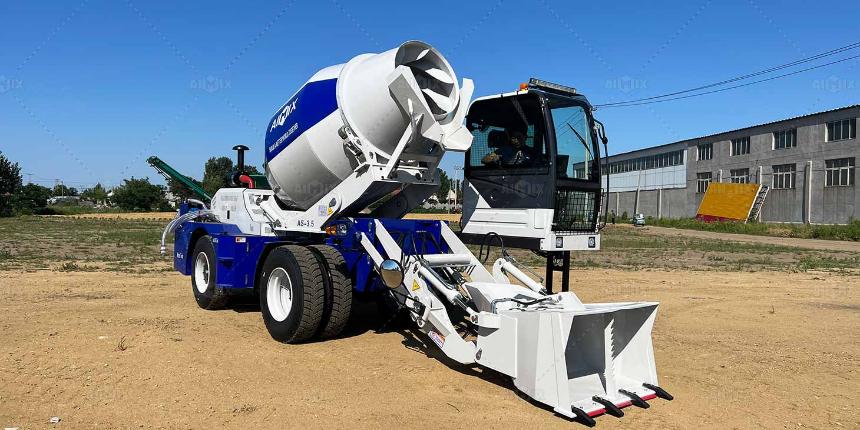
Self-loading concrete mixers represent a revolutionary advancement in construction equipment technology. These specialized machines are designed to autonomously load, mix, transport, and discharge concrete, all within a single unit. Equipped with a self-loading mechanism, these mixers eliminate the need for manual loading, significantly boosting operational efficiency on construction sites.
Advantages of Self-Loading Concrete Mixers
Efficiency and Time-saving Features
Self-loading concrete mixers excel in their ability to expedite construction timelines. By automating the loading process, these machines drastically reduce the time and effort required for concrete preparation. Operators can swiftly load raw materials such as aggregates, cement, and water, optimizing productivity without sacrificing quality. Moreover, the integrated mixing system ensures consistent concrete composition, minimizing the risk of discrepancies and rework.
Cost-effectiveness and Flexibility
In addition to their time-saving capabilities, self-loading concrete mixers offer unparalleled cost-effectiveness. By eliminating the need for separate loaders and mixers, these multifunctional units streamline equipment procurement and operational expenses. Furthermore, their compact design and maneuverability make them ideal for diverse construction environments, including urban areas with limited space. Engineers can leverage the flexibility of self loading concrete mixer for sale to adapt to varying project requirements, maximizing resource utilization and minimizing overhead costs.
Enhanced Productivity and Project Management
Improved Material Handling Capabilities
Self-loading concrete mixers empower engineers to optimize material handling processes, enhancing overall project efficiency. With their self-loading functionality, these machines can transport raw materials directly to the construction site, minimizing logistical complexities and delays. This seamless integration of loading, mixing, and transportation capabilities facilitates uninterrupted workflow, enabling engineers to maintain momentum and meet project deadlines with confidence.
Streamlined Workflow and Reduced Labor Requirements
By automating critical tasks, self loading mobile concrete mixture mitigate the reliance on manual labor, freeing up valuable resources for other aspects of construction projects. With fewer personnel required for concrete preparation and transportation, engineers can reallocate manpower to more specialized tasks, such as formwork installation or finishing work. This optimization of labor resources not only enhances productivity but also improves overall project management, fostering a more streamlined and cost-effective construction process.
In conclusion, self-loading concrete mixers represent a game-changing innovation for engineers in the construction industry. By combining efficiency, cost-effectiveness, and productivity-enhancing features, these versatile machines empower engineers to tackle complex projects with confidence, ultimately driving success and profitability in the competitive construction landscape.
Buy a reasonable Self Loading Concrete Mixer in Indonesia
Are you considering acquiring a new self loading concrete mixer? This device will take your construction business to new heights. You'd be hard-pressed to identify a construction company that doesn't utilize one since it plays an important role in a variety of projects. The reality that it really is self loading makes it extremely efficient, so that you can take advantage of cost benefits over time. Just before you fork out money, it's crucial that you equip yourself with the right information especially about the best places to purchase a reasonable self loading concrete mixer.
The first option is to examine your knowledge about your existing construction equipment. Does a particular brand get noticed? What manufacturer continues to be one of the most helpful when it comes to aftersales services? Do certain pieces of equipment disintegrate greater than others? Through getting strategies to these questions, you allow yourself to focus on a number of manufacturers from where one can get a self loading concrete mixer for sale in Indonesia.
Understand that its not all manufacturers meet their promises. It's easy so they can state that they manufacturer the very best equipment on the market, but you will probably find a bunch of negative reviews with regards to their products. For that reason, do your homework and ensure you research thoroughly. Check their reputation and discover whether the majority of the clientele have great things to say about them. You'd always are interested to buy from a company having a stellar background.
Naturally, you may use the web to get places where you can invest in a self loading concrete mixer for affordable. Understand that some manufacturers might offer their goods at really low prices. However, going cheap isn't always the smartest move to make. You may want to fork out a little bit more money in exchange for higher quality and more durable equipment. What's great about surfing on the internet is that most manufacturers will have websites where they post their items and all their specifications. This will make it fast and simple to get all the information you require. View more content herehttps://concretemixerwithpump.com/self-loading-concrete-mixer-in-malaysia/.
If you're on a budget, you may also want to look at secondhand self loading concrete mixers. Sure, they're not your best option simply because you can't tell what they've been through through the years. Certain parts might breakdown, which implies purchasing repairs or replacement. But when you absolutely need a self loading concrete mixer yet your pockets just aren't deep enough yet, there's no reason at all not to consider used equipment given that they're still in excellent condition.
Aside from the upfront cost, don't forget to look at the warranty as well. Some manufacturers offer extended warranties, letting you have peace of mind for a long time. This is certainly something you wouldn't would like to take for granted because different vendors offer different warranties. Find one that comes with the ideal offer simply because this plays a part in your long-term operating expenses.
In the event you try this advice, you shouldn't have problems identifying where you can invest in a cheap self loading concrete mixer truck. Just seek information and get away from taking shortcuts to get one of the most value for your money.
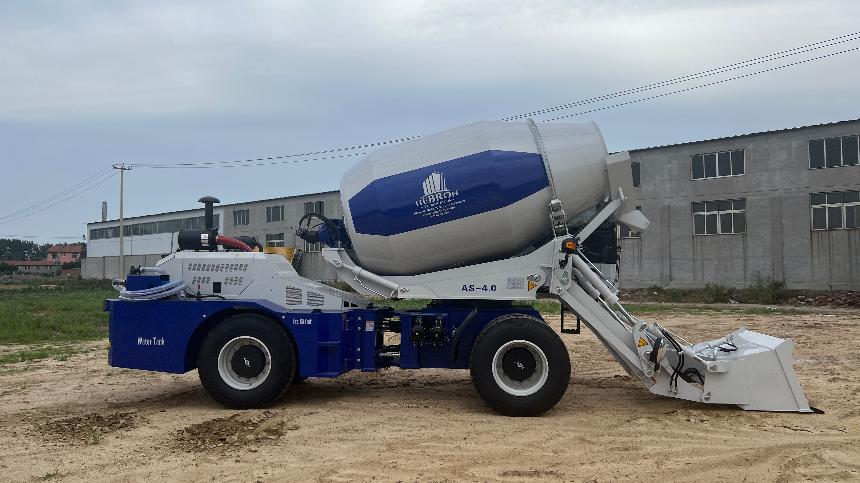
Highlighting the Unparalleled Advantages and Capabilities of Self-Loading Concrete Mixers
Concrete mixers are essential for blending cement, sand, water, and other coarse aggregates to create concrete. In the past, concrete mixing was a labor-intensive and time-consuming process. However, self-loading concrete mixers have revolutionized this process by automating all the steps, from batching to placing fresh concrete. These mixers offer numerous benefits, making them a popular choice for construction companies. Here are some of the advantages and key features of self-loading concrete mixers:
1. Self-Loading Capability
As the name suggests, self-loading mixers have the ability to load the required quantity of sand, water, and aggregates onto the drum automatically. This eliminates the need for manual intervention in the loading process, significantly saving time for construction companies.
2. Efficient Weighing System
Self-loading mixers come equipped with a weighing balance, ensuring precise mixing of cement and aggregates according to the concrete mix design. The self loading mobile concrete mixer efficiently combines the ingredients, reducing operation time.
3. Mixing, Transporting, and Discharging
These machines can mix, transport, and discharge concrete directly to the desired location. Since there is no need to unload the machine manually, concrete wastage is minimized, ensuring a constant supply of fresh concrete for construction projects.
Advanced Features:
a. Operator Post:
The operator post of the machine can swivel up to 180 degrees in all directions, providing the operator with a flexible working environment. This feature makes driving and operating the mixer much easier. Check this feature on our web page: https://concretemixerwithpump.com/self-loading-transit-mixer/.
b. Short Turning Radius:
Modern self-loading mixers come with a short turning radius, thanks to advanced steering features. This is particularly useful when working in confined spaces, making them ideal for small construction companies operating in compact work areas.
c. Steering Options:
The latest self-loading machines offer three different steering options, including crab steering, 2-wheel, and 3-wheel steering. These options enhance the machine's maneuverability in narrow spaces.
Self-loading concrete mixers are commonly used in the construction of high-rise buildings, underpasses, long bridges, dams, and other large-scale construction projects that require the efficient transportation of large quantities of concrete in a short amount of time. The accuracy and freshness of the concrete produced by these mixers are crucial for such projects.
If you operate a construction site, self loading mixer can greatly improve your efficiency and productivity. The benefits and features mentioned above make these machines a valuable asset in the construction industry.