AIMIX Crusher Plant Blogs Sharing
- mobile crushing plants
- the benefits of using a mobile crushing plant
- how does a mobile crushing plant work
- mobile jaw crusher
- mobile impact crusher
- mobile cone crusher for sale
- track mounted crushers
- jaw crusher machine
- crusher for sale
- cone crusher for sale
- impact crusher for sale
- rock crusher for sale
- quartz crushing plant
- gravel crusher for sale
- aggregate crushing machine
- concrete crushing machine
- crushing and screening plant
- stone crusher plant
- stone crusher plant setup cost
- what are the uses of stone crusher plant
- stone crushing plant in operation
- granite crusher machine
- limestone crushers
- ball mill machine
- sand making machine
- stone crusher indonesia
- crushing plant for sale in the philippines
- jaw crusher for sale australia
- basalt crusher
- crusher quarry
- how to crush rock
- how much is stone crusher plant
How Maintenance and Operational Adjustments Can Reduce Liner Wear in Mobile Jaw Crushers
In the realm of mining and aggregate processing, the mobile jaw crusher stands as a stalwart, effectively breaking down large rocks into manageable sizes. However, the longevity and efficiency of this machinery hinge significantly on the condition of its components, particularly the jaw liner. Reducing wear on the portable jaw crusher liner not only extends its lifespan but also enhances operational efficiency and minimizes costly downtime. This article delves into strategic approaches to mitigate liner wear, ensuring your equipment remains robust and reliable.
Understanding Liner Wear Mechanisms
To effectively combat liner wear, it's imperative to grasp the underlying mechanisms that contribute to this phenomenon. The wear of the jaw liner primarily arises from two key processes: abrasive wear and impact wear. Abrasive wear occurs when hard particles scrape against the liner's surface, gradually eroding it. This is particularly pronounced in applications involving coarse aggregates. Conversely, impact wear is the result of high-energy collisions that can cause significant material loss in localized areas. Understanding these mechanisms is foundational in implementing effective strategies to reduce wear.

Material Selection and Design Optimization
One of the most effective ways to mitigate wear is through strategic material selection. Utilizing high-quality, wear-resistant materials can significantly enhance the durability of the jaw liner. For instance, manganese steel is a popular choice due to its excellent work-hardening properties. Furthermore, the design of the liner itself can play a pivotal role. Liners that are engineered with a proper profile can improve the crushing process, thereby reducing unnecessary wear. Employing computational analysis tools can assist in optimizing the liner's geometry to ensure it matches the operational requirements and minimizes wear.
Regular Maintenance and Monitoring
Another critical aspect of prolonging the life of a mobile jaw crushers for sale liner is adherence to a rigorous maintenance schedule. Regular inspections can identify signs of wear early, allowing for timely interventions. Monitoring the operating conditions and adjusting parameters, such as the feed rate and material characteristics, can also alleviate undue stress on the liner. Implementing a predictive maintenance program, supported by technology such as wear sensors, can provide invaluable data that informs maintenance decisions, thus preventing unexpected failures and extending the liner's service life.

Operational Best Practices
Finally, the operational practices employed during the use of mobile jaw crushers can greatly influence liner wear. Training operators to understand the dynamics of the crushing process can lead to better handling of materials. For instance, ensuring an even feed distribution can prevent localized wear that results from excessive impact in specific areas. Additionally, controlling the moisture content of the material being crushed can mitigate the effects of mud and clay, which can exacerbate wear. By adopting these best practices, operators can significantly reduce the wear on the mobile jaw crusher liner, leading to enhanced productivity and lower operational costs.
Conclusion
In conclusion, reducing the wear of a mobile jaw crusher liner is a multifaceted challenge that requires a comprehensive understanding of wear mechanisms, diligent maintenance, and optimal operational practices. By focusing on material selection, regular monitoring, and effective operational strategies, businesses can prolong the lifespan of their equipment. As a result, not only is operational efficiency improved, but costly repairs and downtime can also be minimized, ensuring a more sustainable and economically viable operation.
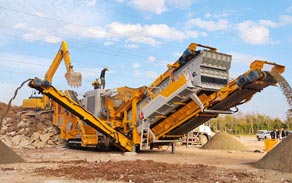
Track Crushers: The Future of Construction Waste Recycling Technology
In a world where construction sites churn out waste faster than your favorite pizza joint serves slices, technology is stepping in to clean up the mess. Enter track crushers, the eco-warriors of the construction world. These powerful machines aren't just about crushing rocks; they're crushing inefficiencies and waste management problems with unparalleled prowess. Designed for mobility and precision, track crushers are leading the charge in transforming debris into reusable materials, proving that recycling isn't just a buzzword—it's the future of construction.
What Makes Track Crushers a Game-Changer?
The construction industry has long grappled with mountains of waste, from demolished concrete to rogue piles of bricks. Track crusher, with the innovative design, tackle these challenges head-on. They’re portable, adaptable, and ridiculously efficient at breaking down materials into manageable sizes. With their mobility, these crushers can move directly to the waste, reducing the need for costly transportation. It’s like having a Swiss Army knife for construction waste—versatile, reliable, and ready to save the day.
Portability: Crushing Waste Where It Stands
Track crushers redefine the term “on-the-go.” Mounted on heavy-duty tracks, these machines can traverse rugged construction sites with ease. Instead of hauling waste to a remote processing facility, track crushers bring the processing to the waste. This not only saves time but also slashes fuel costs, making them a cost-effective solution for projects of all sizes. Whether you’re dealing with a crumbling building in the city or scattered debris in a rural area, track crushers prove their worth by delivering performance where it’s needed most.
Efficiency: Transforming Waste into Resources
Why let good material go to waste? Track crushers are designed to process construction debris into reusable aggregates, such as gravel or crushed concrete. These materials can then be repurposed for new projects, reducing the need for fresh raw materials. With their advanced crushing mechanisms, track crushers ensure high-quality output that meets construction standards. The result? A win-win situation where waste is minimized, resources are conserved, and project costs are kept in check.
The Eco-Friendly Impact of Track Crushers
Beyond the immediate benefits of portability and efficiency, track crushers have a significant environmental impact. By recycling construction waste on-site, they reduce the need for landfill space and cut down on greenhouse gas emissions associated with transportation. Additionally, repurposing materials means fewer natural resources need to be extracted, promoting sustainable construction practices.
Reducing Landfill Dependency
Landfills are bursting at the seams, and construction waste is a major contributor. Track crusher machine for sale provides a practical alternative by transforming debris into usable materials, significantly reducing the volume of waste sent to landfills. This not only helps preserve land but also aligns with modern environmental policies focused on sustainable development.
Lowering Carbon Footprints
Every mile a dump truck drives to haul waste generates emissions. By processing waste directly on-site, track crushers eliminate these unnecessary trips. The environmental benefits are twofold: reduced emissions and a step toward greener construction practices. With a track crusher, your project doesn’t just get cleaner—it gets greener.
Why Track Crushers Are the Future
The construction industry is evolving, and track crushers are at the forefront of this transformation. Their ability to tackle waste management challenges, boost efficiency, and align with sustainability goals makes them an indispensable asset for modern construction projects. As urbanization continues to rise, the demand for innovative, eco-friendly solutions like track crushers will only grow. Investing in this technology isn’t just a choice; it’s a necessity for a cleaner, more efficient future.
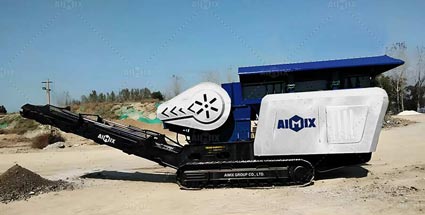
The demand for efficient, mobile crushing solutions has surged in recent years, particularly in the construction and mining industries. As urban development accelerates and natural resources become increasingly scarce, the need for innovative equipment that can process materials on-site is paramount. Portable rock crusher has emerged as a pivotal solution, offering unparalleled versatility and efficiency. These machines not only streamline operations but also significantly reduce transportation costs, enabling businesses to adapt to the dynamic demands of their projects.
Understanding Portable Rock Crushers
Portable rock crushers are compact, self-contained units designed to crush various types of materials, including rocks, concrete, and asphalt. Their mobility allows for on-site processing, which is particularly advantageous in remote locations or congested urban settings. By eliminating the need for transporting materials to fixed crushing facilities, these machines enhance operational efficiency and reduce logistical challenges.
Key Features and Advantages
One of the most compelling aspects of portable rock crushers is their versatility. They can be utilized for different applications, such as recycling, quarrying, and even waste management. This adaptability makes them invaluable to contractors and project managers who require flexible solutions to meet specific site demands.
Mobility and Accessibility
The inherent mobility of portable crushers facilitates easy transportation between job sites. Many models are equipped with tracks or wheels, allowing for rapid relocation without the need for heavy lifting equipment. This feature is particularly crucial in areas with challenging terrains or when working on multiple sites within a short timeframe.
Cost-Effectiveness
In addition to enhancing operational efficiency, portable rock crushers can significantly reduce overall project costs. By processing materials on-site, businesses can minimize transportation expenses and avoid the fees associated with off-site disposal. Furthermore, the ability to recycle materials contributes to sustainability efforts, creating a more environmentally responsible approach to construction and demolition.
Technological Advancements in Portable Crushing
Recent technological innovations have further improved the efficacy and functionality of portable crusher for sale. Modern units boast enhanced crushing capabilities, allowing for finer material outputs and greater processing speeds. Additionally, many units now incorporate advanced control systems, enabling operators to monitor performance metrics in real-time, thus ensuring optimal operational efficiency.
Integration with Other Equipment
Another noteworthy advancement is the seamless integration of portable rock crushers with other machinery, such as screeners and conveyors. This synergy facilitates a more efficient workflow, where crushed materials can be immediately screened and stockpiled, reducing downtime and maximizing productivity.
Future Prospects
As industries continue to evolve, the demand for portable rock crushers is poised to grow. With increasing emphasis on sustainability and efficiency, manufacturers are likely to innovate further, developing even more sophisticated machinery tailored to diverse operational requirements. The future of material crushing is undeniably mobile, and businesses that embrace this trend will find themselves at the forefront of the industry.
In conclusion, portable rock crushers represent a significant leap forward in material processing technology. Their ability to adapt to various environments and project needs makes them indispensable assets in today’s fast-paced construction and mining sectors. As advancements in design and functionality continue to emerge, these machines will undoubtedly play a crucial role in shaping the future of on-site material processing.
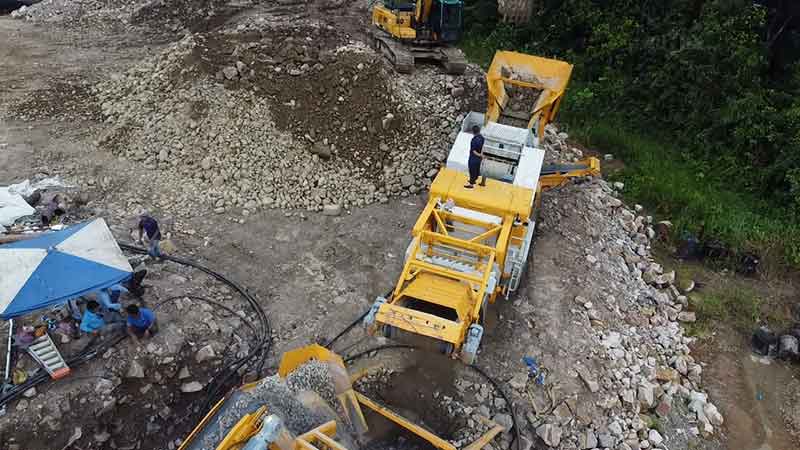
What Affects the Price of Mobile Stone Crusher Machines? Key Considerations
The mobile stone crusher market is multifaceted, with various elements influencing the pricing structure. Understanding these factors is essential for businesses and individuals looking to invest in such machinery. A multitude of variables, ranging from technological advancements to market demands, directly impacts the cost of mobile stone crushers. This article explores the primary considerations affecting the mobile stone crusher machine price, offering insights to potential buyers.
1. Technological Innovations
Modern mobile stone crushers are equipped with cutting-edge technology that enhances their efficiency and effectiveness. These innovations can significantly influence the overall cost of the machines. Advanced features such as automated controls, enhanced mobility, and improved fuel efficiency contribute to higher prices. Furthermore, manufacturers that invest in research and development to incorporate the latest technology often command a premium for their products. The integration of real-time monitoring systems and eco-friendly designs also plays a pivotal role in the pricing strategy of mobile stone crushers.
1.1 Automation and Efficiency
Automation has revolutionized the way mobile stone crushers operate. Machines that offer automated functions reduce the need for manual labor, thus decreasing operational costs over time. This automation comes at a price, but the long-term savings can justify the initial investment. Efficiency is not merely about processing speed; it also encompasses fuel consumption and maintenance needs. Machines that operate more efficiently tend to have lower running costs, which can affect the overall pricing in the purchasing phase.
1.2 Environmental Compliance
In an era where environmental regulations are tightening, compliance becomes a crucial consideration. Manufacturers that produce mobile stone crushers adhering to stringent environmental standards often incur higher production costs. These costs are subsequently reflected in the retail price of the machines. Buyers should consider the potential long-term savings associated with reduced emissions and lower environmental impact, which can offset the initial expenditure.
2. Market Demand and Supply Dynamics
Market dynamics play a substantial role in determining the crushing plant price. When demand surges—often due to infrastructure projects or construction booms—prices tend to rise correspondingly. Conversely, during periods of economic downturn, the demand may dwindle, leading to price reductions. Understanding the cyclical nature of the market helps potential buyers make informed decisions about when to invest.
2.1 Regional Variations
Geographical location significantly affects pricing, as logistics and transportation costs vary by region. In areas where demand for mobile stone crushers is high but supply is limited, prices can escalate sharply. Conversely, in regions with a surplus of machinery, competitive pricing can lead to more favorable purchasing opportunities. Buyers should conduct thorough market research to identify regional trends and pricing strategies.
2.2 Industry Trends
The construction and mining industries are constantly evolving, which impacts the mobile stone crusher market. Emerging trends, such as the shift towards sustainable practices and the increasing use of recycled materials, drive demand for specific types of crushers. As industries adapt, the prices of machines that align with these trends may increase, highlighting the importance of staying abreast of industry developments.
3. Quality and Brand Reputation
The perceived quality and brand reputation of mobile stone crushers are significant factors influencing rock crusher machine price. Established brands often charge more due to their track record of reliability and durability. Buyers may find that investing in a reputable brand can lead to lower maintenance costs and a longer lifespan for the machinery. However, newer brands may offer competitive pricing to gain market share, which can be attractive for budget-conscious buyers.
3.1 Warranty and After-Sales Support
A robust warranty and comprehensive after-sales support can justify a higher price point. Buyers should consider the value of these services, as they can mitigate risks associated with equipment failure. A strong warranty not only provides peace of mind but also enhances the overall value proposition of the machine.
3.2 Customization Options
Lastly, the ability to customize mobile stone crushers to meet specific operational needs can influence pricing. Machines with tailored features often command higher prices due to the additional engineering and design work involved. Buyers should weigh the benefits of customization against the associated costs, ensuring they select machinery that aligns with their unique requirements.
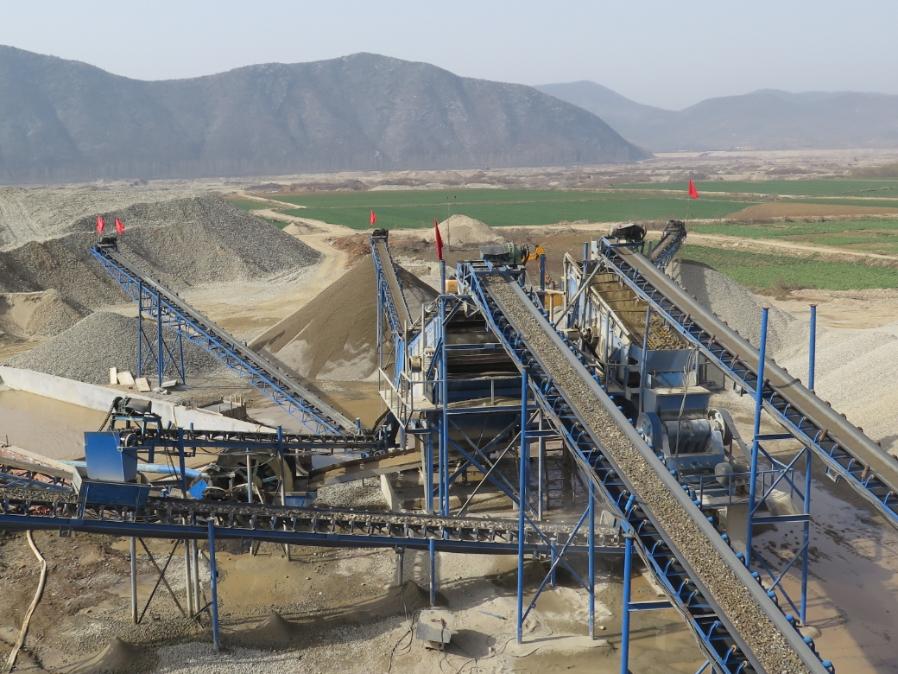
Mining Industry: What Factors Have A Great Impact On The Selection Of Stone Crusher?
Stone crushers are indispensable tools in the mining industry, serving as primary crushers in the initial stages of ore processing. These powerful machines break down large rocks into smaller, more manageable sizes, facilitating further processing and extraction of valuable minerals. From crushing ores to producing aggregates for construction, stone crushers are integral to mining operations worldwide.
The selection of stone crushers in the mining industry involves a comprehensive evaluation of various factors to ensure optimal performance and efficiency. Engineers and operators must consider the properties of the materials being processed, production requirements, environmental considerations, and emerging trends in technology and sustainability.
Key Factors Influencing the Selection of Stone Crushers
A. Material Properties and Characteristics
One of the primary factors influencing the selection of stone crushers is the properties and characteristics of the materials being processed. Factors such as hardness, abrasiveness, moisture content, and particle size distribution play a crucial role in determining the types of stone crushers and the appropriate crushing mechanism needed to achieve the desired product quality and throughput.
B. Production Requirements and Capacity
Production requirements and capacity considerations are paramount in the selection of stone crushers. Mining operations must assess the anticipated throughput, size distribution of the final product, and the availability of resources such as power and manpower. Choosing crushers with the appropriate capacity and efficiency is essential for meeting production targets and maximizing profitability.
C. Environmental Considerations and Regulations
In today's environmentally conscious world, mining companies must navigate stringent environmental regulations and sustainability standards. The selection of stone crushers must take into account environmental considerations such as dust emissions, noise levels, and water usage. Implementing efficient dust suppression systems, noise reduction measures, and water recycling technologies is critical for minimizing the environmental impact of crushing operations.
Emerging Trends in Stone Crusher Selection
A. Advancements in Technology and Automation
The mining industry is witnessing rapid advancements in technology and automation, revolutionizing the way limestone crushers are designed and operated. From remote monitoring and predictive maintenance to autonomous crushing systems, technological innovations are enhancing the efficiency, safety, and reliability of stone crushing operations.
B. Sustainable Practices and Green Initiatives
With a growing focus on sustainability and corporate responsibility, mining companies are embracing green initiatives to minimize their environmental footprint. Sustainable practices such as using renewable energy sources, implementing circular economy principles, and adopting eco-friendly materials in crusher construction are becoming increasingly prevalent in the industry.
C. Market Dynamics and Industry Trends
The selection of stone crushers is also influenced by market dynamics and industry trends. Factors such as fluctuating commodity prices, geopolitical tensions, and evolving consumer preferences can impact the demand for specific types of crushers. Mining companies must stay abreast of market trends and adapt their crusher selection strategies accordingly to remain competitive in the global marketplace.
In conclusion, the selection of stone crushers in the mining industry is a multifaceted process influenced by a myriad of factors ranging from material properties and production requirements to environmental considerations and emerging trends. By understanding and leveraging these key factors, mining companies can make informed decisions that drive efficiency, sustainability, and profitability in their operations.
What Are The Dust-Proof Measures Inside The Crushers Of The Crushing Plants?
Crushers are integral components of crushing plants, tasked with reducing large rocks into smaller aggregates for construction purposes. However, the operation of crushers often generates dust, which can pose health hazards and environmental concerns. In this article, we will explore the dust-proof measures implemented inside the crushers of crushing plants.
Introduction
Dust-proof measures inside crushers are essential for maintaining a safe and healthy working environment for mini crusher plant operators and mitigating the environmental impact of dust emissions. These measures are designed to minimize the generation, accumulation, and dispersion of dust particles during the crushing process.
Dust-proof measures inside the crushers
Sealing design and materials
Effective sealing design and the use of appropriate sealing materials are crucial for preventing dust leakage from crushers. Sealing components, such as gaskets, seals, and labyrinth seals, are strategically installed at key points of the crusher to contain dust and prevent it from escaping into the surrounding environment. High-quality sealing materials, such as rubber, silicone, and polyurethane, are chosen for their durability, flexibility, and resistance to wear and tear.
Ventilation and dust extraction systems
Ventilation and dust extraction systems are installed inside crushers to remove airborne dust particles and maintain a clean and breathable atmosphere in the vicinity of the equipment. These systems consist of fans, ductwork, and dust collectors that draw dust-laden air away from the crusher and capture it before it can disperse into the surroundings. Cyclone separators, bag filters, and electrostatic precipitators are commonly used to separate and collect dust particles from the air stream, ensuring efficient dust control and environmental compliance.
Learn more details on this AIMIX Group web page.Regular maintenance and cleaning protocols
Regular maintenance and cleaning of crushers are essential for ensuring the effectiveness of dust-proof measures and minimizing the risk of dust-related hazards. Maintenance tasks may include inspecting seals and gaskets for signs of wear or damage, lubricating moving parts to reduce friction and prevent dust generation, and replacing worn-out components as needed. Cleaning protocols involve removing accumulated dust and debris from limestone crusher surfaces, housings, and ventilation systems using specialized equipment, such as vacuum cleaners, compressed air blowers, and water sprayers.
In conclusion, dust-proof measures inside the crushers of crushing plants are critical for protecting the health and safety of operators, reducing environmental pollution, and ensuring compliance with regulatory standards. By implementing sealing design and materials, ventilation and dust extraction systems, and regular maintenance and cleaning protocols, crushing plant operators can effectively control dust emissions and create a safer and healthier work environment for all stakeholders involved.
How a Quarry Crushing Plant Can Streamline Quarry Operations and Reduce Costs
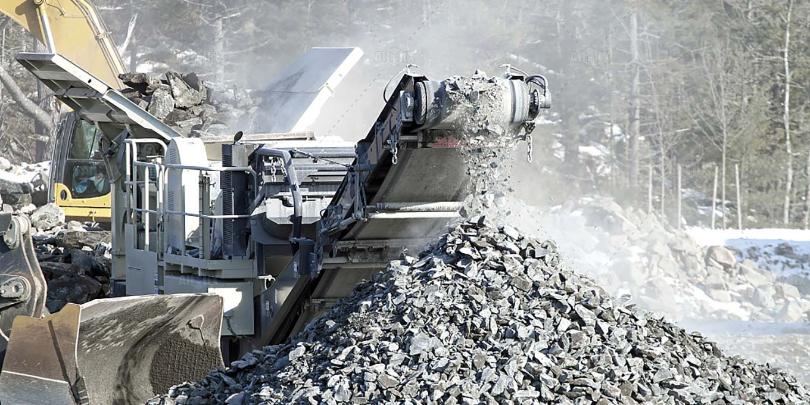
The efficiency of quarry operations is crucial in maximizing profitability and ensuring smooth workflow in the mining industry. One of the most effective ways to achieve these objectives is by incorporating a mobile quarry crusher plant into the operations. This equipment plays a pivotal role in transforming raw material into market-ready aggregates, optimizing resource use, and minimizing operational expenses. Understanding how a quarry crushing plant can streamline operations and reduce costs is essential for improving overall productivity and achieving long-term financial benefits.Enhanced Operational Efficiency
Optimized Material Processing
A quarry crushing plant significantly enhances operational efficiency by optimizing material processing. These plants are designed to crush large volumes of rock into various sizes of aggregates, suited for different construction and industrial applications. By processing materials on-site, the plant eliminates the need for transporting raw materials to external facilities. This in-situ processing reduces the logistical challenges and delays often associated with off-site crushing. Additionally, the ability to produce specific aggregate sizes as needed ensures that the plant can meet diverse market demands efficiently.Reduced Downtime and Maintenance
Quarry crushing plants are equipped with advanced technology that reduces downtime and maintenance needs. Modern crushing plants feature automated systems that streamline operations and minimize manual intervention. Sensors and monitoring systems help in the early detection of potential issues, allowing for proactive maintenance and reducing unexpected breakdowns. The use of high-quality components and durable construction further ensures that the equipment operates reliably, extending its lifespan and reducing maintenance costs. By minimizing downtime, quarry operations can maintain a steady production flow and avoid costly delays.Cost Reduction Strategies
Lower Transportation Expenses
Incorporating a quarry crushing plant into operations leads to significant cost savings through reduced transportation expenses. Traditionally, transporting raw materials to distant crushing facilities incurs considerable costs related to fuel, labor, and vehicle maintenance. By processing materials directly at the quarry site, these transportation costs are eliminated. This reduction in logistics expenses not only lowers operational costs but also contributes to a more streamlined supply chain. The efficiency gained from on-site processing allows for better management of resources and budget allocation.You can find a best cusher plant here: https://aimixgroup.com/stone-crusher-plants/what-is-crusher-plant/.Efficient Resource Utilization
A quarry crushing plant enhances cost-effectiveness by optimizing resource utilization. The plant's ability to produce high-quality aggregates from raw materials ensures that resources are used efficiently, minimizing waste and maximizing yield. By utilizing the full potential of the raw materials, quarries can avoid the costs associated with excess waste and inefficiencies in material processing. Additionally, the precise control over aggregate sizes and quality reduces the need for reprocessing and rework, further contributing to cost savings. Effective resource utilization translates into better financial outcomes and improved profitability.Sustainability and Environmental Impact
Reduced Environmental Footprint
The use of a quarry crushing plant supports sustainable practices by reducing the environmental footprint of quarry operations. On-site processing of materials minimizes the need for extensive transportation, which in turn reduces greenhouse gas emissions and fuel consumption. The ability to produce aggregates from waste material or by-products further enhances sustainability by promoting recycling and reducing the demand for virgin resources. Adopting environmentally friendly practices not only aligns with regulatory requirements but also enhances the reputation of the quarry as a responsible and sustainable operation.Compliance with Regulations
Quarry crushing plants help in maintaining compliance with environmental regulations and industry standards. Many regions have stringent rules regarding dust emissions, noise levels, and waste management. Modern crushing plants are designed to meet these regulatory requirements, incorporating features such as dust suppression systems and noise reduction technologies. By ensuring compliance with regulations, quarries can avoid potential fines and operational disruptions, while also contributing to environmental protection. This proactive approach to regulation helps in sustaining long-term operations and fostering positive relationships with local communities and regulatory bodies. In summary, a quarry crushing plant plays a vital role in streamlining quarry operations and reducing costs. By enhancing operational efficiency, lowering transportation expenses, optimizing resource utilization, and supporting sustainable practices, the plant contributes to improved productivity and profitability. Investing in advanced crushing technology is a strategic move that ensures efficient material processing, cost savings, and compliance with environmental regulations, ultimately benefiting the overall success of quarry operations.From Rubble to Reuse: A Guide to Choosing the Right Concrete Crushing Equipment
Concrete recycling plays a crucial role in sustainable construction practices, turning demolished concrete into valuable aggregates for new projects. Choosing the appropriate concrete crushing equipment is pivotal in optimizing productivity and ensuring high-quality recycled materials.The Importance of Choosing the Right Equipment
Recycling concrete involves breaking, removing, and crushing existing concrete into a material with a specified size and quality. This process requires specialized equipment that can efficiently reduce large chunks of concrete into smaller, manageable pieces while preserving the purity of the aggregate.Key Considerations for Equipment Selection
Selecting the right concrete crushing equipment hinges on several critical factors, including the type and volume of concrete to be processed, desired output sizes, and the recycling site's operational constraints. Each type of crusher offers unique advantages tailored to different recycling needs.Types of Concrete Crushing Equipment
Jaw Crushers
Jaw crushers are versatile machines ideal for primary crushing of large chunks of concrete. They operate using a compressive force to break down the concrete into smaller pieces, suitable for further processing into recycled concrete aggregates (RCA). Their robust design and adjustable settings make them suitable for various applications, from demolition debris to reinforced concrete.Impact Crushers
Impact crushers excel in secondary or tertiary crushing applications, capable of producing precisely shaped RCA with high cubicity. They use impact force to break concrete, offering superior shaping capabilities compared to jaw crushers. The track mounted impact crusher is ideal for producing aggregates for road base and asphalt, where uniformity and durability are crucial.Cone Crushers
Cone crushers are effective in secondary, tertiary, and quaternary crushing stages, refining concrete into finer grades suitable for construction purposes. They operate by compressing the material between an eccentrically rotating mantle and a concave bowl. Cone crushers are known for their high capacity and efficient particle size reduction, making them suitable for producing high-quality RCA.Advanced Features and Innovations
Automation and Control Systems
Modern concrete crushing equipment integrates advanced automation and control systems to optimize performance and maximize productivity. Automated settings and real-time monitoring allow operators to adjust parameters such as crusher speed and feed rate for optimal efficiency and consistency in output.Mobile and Portable Solutions
Mobile concrete crushers offer flexibility and efficiency by allowing crushing operations to be conducted directly at demolition or recycling sites. These portable units can be quickly set up and dismantled, reducing transportation costs and increasing operational flexibility. They are particularly advantageous for large-scale demolition projects or remote construction sites.Choose the best mobile units for concrete crushing here: https://aimixgroup.com/stone-crusher-plants/mobile-type/Environmental Considerations
Environmental sustainability is a growing concern in concrete recycling. Modern crushers are designed with features that minimize noise and dust emissions, meeting stringent environmental regulations. Additionally, the use of recycled concrete aggregates reduces the demand for natural resources and lowers carbon emissions associated with concrete production, contributing to a more sustainable construction industry. Choosing the right concrete crushing equipment involves evaluating various factors, from the type of concrete to be processed to the specific requirements of the recycling operation. By selecting equipment that matches the operational needs and environmental goals, construction companies can effectively transform demolished concrete into valuable resources for future construction projects.Going Green in Quartz Crushing: Strategies for a More Eco-Friendly Operation
In an era where environmental sustainability is paramount, industries across the globe are re-evaluating their operations to reduce their ecological footprint. The quartz crushing industry is no exception. As a crucial part of the mining and construction sectors, quartz crushing processes can have significant environmental impacts. However, by adopting eco-friendly strategies, these operations can minimize their adverse effects and contribute to a greener planet. This article explores the innovative methods and practices that can transform quartz crushing into a more sustainable activity.Implementing Energy-Efficient Technologies
Advanced Crushing Machinery
Energy efficiency is a cornerstone of sustainable operations. Traditional quartz crushing plant machinery often consumes substantial amounts of energy, leading to high operational costs and significant carbon emissions. Modern advancements in crushing technology, however, offer more energy-efficient solutions. High-efficiency crushers, for instance, are designed to use less power while maintaining optimal performance. These machines incorporate features such as variable frequency drives (VFDs) and automated controls, which adjust the crushing process in real-time to minimize energy use. The integration of such advanced machinery not only reduces energy consumption but also enhances productivity. With precise control over the crushing parameters, these technologies ensure that the quartz is processed efficiently, leading to better quality end products and lower operational costs. By investing in energy-efficient crushing equipment, companies can achieve significant environmental and economic benefits.Renewable Energy Sources
Another pivotal strategy for making quartz crushing more eco-friendly is the utilization of renewable energy sources. Solar, wind, and hydroelectric power can provide clean energy for crushing operations, drastically reducing reliance on fossil fuels. Implementing renewable energy solutions, such as solar panels or wind turbines, on-site can supply a steady flow of sustainable power. Transitioning to renewable energy not only curtails greenhouse gas emissions but also offers long-term cost savings. While the initial investment in renewable infrastructure can be substantial, the ongoing savings in energy costs and potential tax incentives make it a financially viable option. Additionally, showcasing a commitment to renewable energy enhances the company’s reputation as an environmentally responsible entity.Optimizing Resource Use and Waste Management
Recycling and Reusing Materials
Resource optimization is essential in reducing the environmental impact of quartz crushing. One effective strategy is to recycle and reuse materials generated during the crushing process. By reprocessing by-products and waste materials, companies can minimize the need for new raw materials and reduce waste sent to landfills. For example, crushed quartz can be repurposed for various industrial applications, such as construction aggregates or manufacturing abrasives. Implementing a comprehensive recycling program within the crushing facility can significantly lower operational waste. By incorporating processes that separate and repurpose by-products, companies can create a closed-loop system that promotes sustainability. This approach not only benefits the environment but also reduces material costs and enhances overall efficiency.You can get more info about crusher here: https://aimixgroup.com/stone-crusher-plants/.Efficient Water Management
Water is a critical resource in quartz crushing operations, used for dust suppression and machinery cooling. However, excessive water use can strain local water supplies and lead to environmental degradation. Adopting efficient water management practices can mitigate these impacts. Recycling and reusing water within the facility is a practical solution. Advanced filtration systems can purify used water, making it suitable for reuse in the crushing process. Additionally, employing water-saving technologies, such as misting systems or dry dust suppression methods, can further reduce water consumption. Efficient water management not only conserves this valuable resource but also reduces operational costs associated with water procurement and treatment.Enhancing Environmental Stewardship
Environmental Impact Assessments
Conducting thorough environmental impact assessments (EIAs) is crucial for identifying and mitigating the ecological effects of quartz crushing operations. EIAs involve evaluating the potential environmental consequences of the crushing process and developing strategies to minimize adverse impacts. These assessments provide a detailed understanding of the operation’s footprint, enabling companies to implement targeted measures for sustainability. By regularly performing EIAs, companies can stay informed about the environmental implications of their activities and make informed decisions to enhance their green practices. This proactive approach demonstrates a commitment to environmental stewardship and compliance with regulatory standards.Community Engagement and Education
Building strong relationships with the local community and educating stakeholders about sustainable practices is vital for fostering environmental responsibility. Engaging with the community through public consultations, educational programs, and collaborative projects can promote awareness and support for eco-friendly initiatives. Transparency about the company’s efforts to reduce its environmental impact can build trust and enhance its reputation. Moreover, involving the community in environmental projects, such as tree planting or habitat restoration, can create a sense of shared responsibility and collective action. These initiatives not only benefit the environment but also strengthen the company’s social license to operate. In conclusion, transitioning to more eco-friendly quartz crushing operations involves a multifaceted approach, encompassing energy-efficient technologies, resource optimization, and enhanced environmental stewardship. By embracing these strategies, AIMIX Group can significantly reduce their ecological footprint, achieve cost savings, and contribute to a more sustainable future.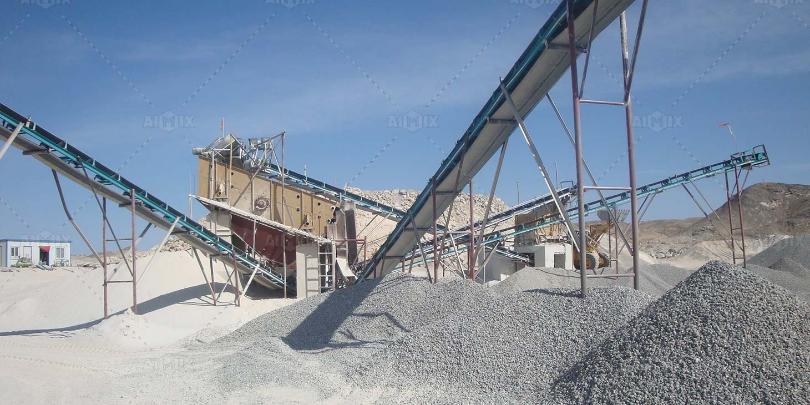
Manufacturer's Approach to Research and Development in Stone Crusher Machines
Innovation in the realm of stone crusher machines begins with a meticulous research and development process. Manufacturers employ a series of structured steps to conceptualize, design, and refine their products.
Initial Conceptualization
At the outset, manufacturers gather insights from various sources, including market trends, customer feedback, and technological advancements. This initial phase involves brainstorming sessions and feasibility studies to identify potential areas for improvement or new features to integrate into the machines. Engineers and designers collaborate closely to outline specifications and set design goals that align with customer needs and industry standards.
The process involves considering factors such as efficiency, performance, safety, and environmental impact. By leveraging their expertise and staying attuned to industry developments, manufacturers lay the foundation for creating innovative stone crusher unit that meet the evolving demands of the market.
Prototyping and Testing
Once the conceptual design is finalized, manufacturers move on to prototyping and testing. This phase entails creating physical prototypes of the proposed designs to assess their functionality and performance. Advanced computer-aided design (CAD) software is utilized to model and simulate the machines in virtual environments, allowing engineers to identify potential flaws and optimize designs before moving to the manufacturing stage.
Prototypes undergo rigorous testing under controlled conditions to evaluate factors such as durability, reliability, and ease of operation. Feedback from testing informs iterative design improvements, ensuring that the final product meets or exceeds quality standards and customer expectations.
Continuous Improvement Strategies
The quest for excellence does not end with the release of a new stone crusher machine. Manufacturers implement continuous improvement strategies to refine their products and stay ahead of the competition.
Feedback Integration
One key aspect of continuous improvement is the integration of feedback from customers, field technicians, and industry experts. Manufacturers actively solicit input from end-users to understand their experiences and identify areas for enhancement. This feedback loop allows manufacturers to address issues promptly and incorporate user-centric features into future iterations of their machines.
Technology Adoption
In an era of rapid technological advancement, manufacturers embrace emerging technologies to enhance the performance and functionality of their stone crusher machines. From advanced sensors and automation systems to predictive maintenance algorithms, technological innovations play a pivotal role in driving efficiency and reliability. By staying abreast of technological developments and investing in research and development, manufacturers position themselves as leaders in the industry.
Looking ahead, manufacturers are exploring new avenues for innovation to shape the future of stone crusher machines. From sustainability initiatives to the exploration of advanced materials, the quest for innovation knows no bounds.
Sustainability Initiatives
With growing emphasis on environmental sustainability, manufacturers are incorporating eco-friendly features into their machines. This includes the use of energy-efficient components, recyclable materials, and emissions-reducing technologies. By prioritizing sustainability, manufacturers not only minimize their ecological footprint but also appeal to environmentally-conscious customers seeking greener solutions.
Advanced Materials Exploration
Advancements in materials science open up new possibilities for enhancing the performance and durability of crusher machines. Manufacturers are exploring the use of cutting-edge materials such as carbon composites, high-strength alloys, and self-healing polymers to improve component longevity and reduce maintenance requirements. By leveraging the latest materials technologies, manufacturers pave the way for more robust and resilient machines capable of withstanding harsh operating conditions.
In conclusion, the manufacturer's approach to research and development is a dynamic process driven by innovation, continuous improvement, and a commitment to meeting the evolving needs of the market. By investing in R&D, embracing feedback, adopting emerging technologies, and exploring future innovations, manufacturers ensure that their limestone crushing plant remain at the forefront of industry excellence.